Login
Login
 Subscribe
Impact of extreme weather needs proactive response
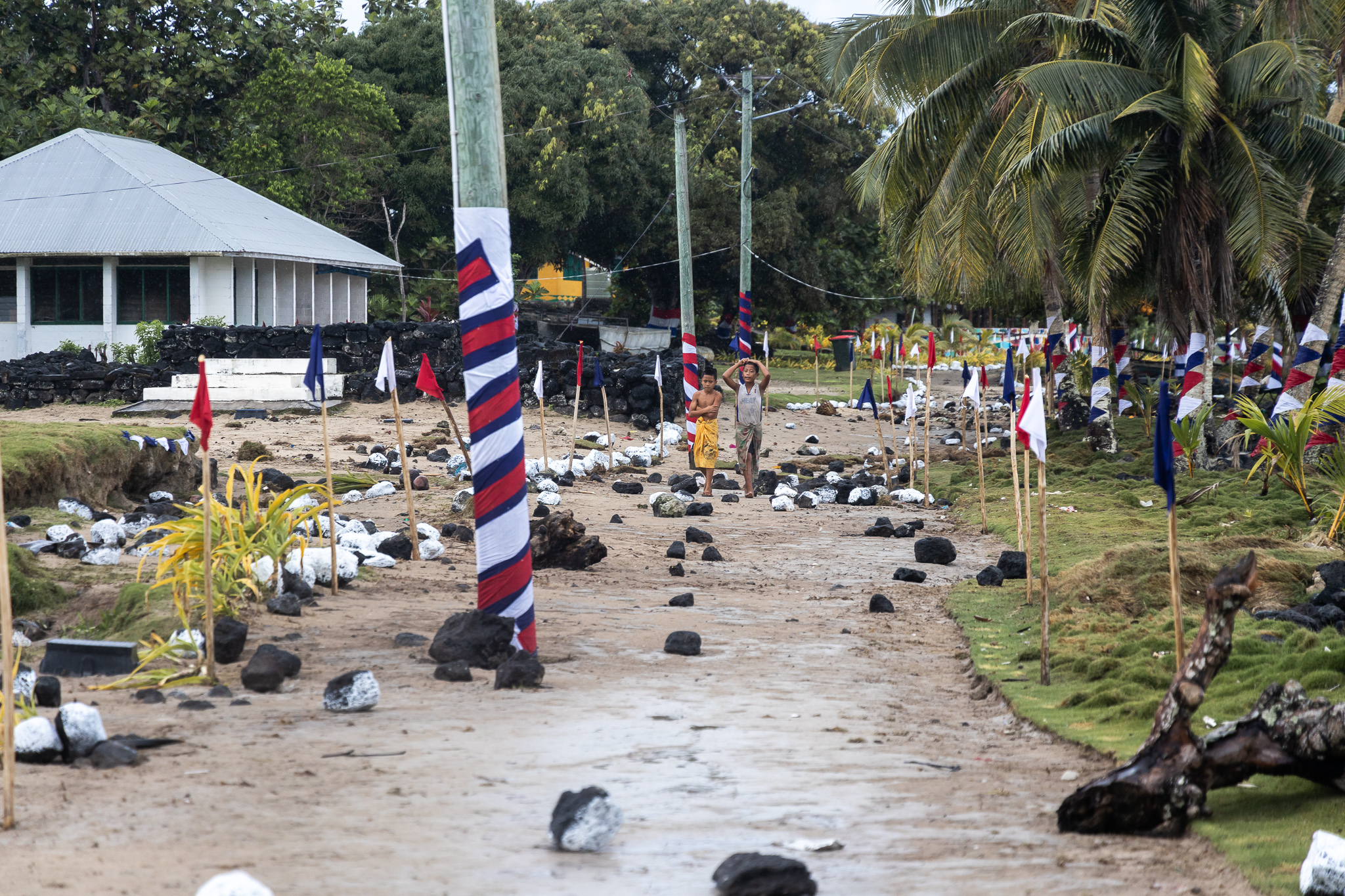
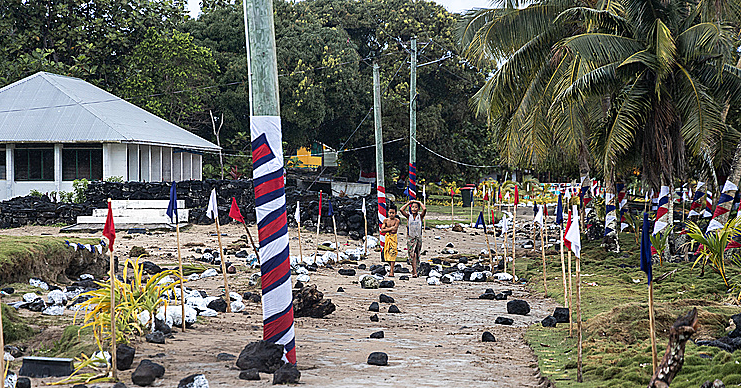
The storm surge that pounded Upolu’s south coast and Manono towards the end of last week was a stark reminder of the power of nature.
Last Saturday Manono-tai and Manono-uta residents came out of their homes to begin removing the debris, which were flung onto the land when extreme weather conditions led to storm surges that had pounded the island since 11pm last Thursday evening.
A Manono-tai resident, Auapaau Tofa recollected the events from that Thursday evening, and their vulnerability in the face of the extreme weather.
"It [waves] dug up all the rocks from the shore and carried them onto the families' land," he said in an interview with the Samoa Observer.
Mr. Tofa was concerned about the impact of last week’s storm on a new jetty, which was opened in August last year as part of a project funded by the Embassy of Japan, under its Grassroots Human Security Projects Fund. The storm surge has left their new wharf vulnerable to soil erosion.
Leiataualesa Kilali Alailima, another Manono-tai resident, urged the authorities to build seawalls to protect their homes from damage.
"There is an urgent need to do something about this, with what is happening now, the sea is slowly eating away at our lands and putting our people in harm’s way," Leiataualesa said.
"It looks like these waves are going to happen often and we would like to ask the Government for help."
Last Friday it was residents on the south coast of Upolu who found themselves caught in the eye of the storm. Extreme weather conditions triggered storm surges which flooded and threw debris onto the roads, felled trees and damaged coastline fales, including those owned by tourism operators.
The ferocity of the storm last Friday brought back memories of the 2009 tsunami, according to some of the residents.
Lydia Sini of Litia Sini Beach Fales at Lalomanu said she cried when she saw how the waves had affected their stretch of the beach.
"The sea got into the other side of our dining fale, though others were more badly damaged than us, that’s how high the waves were last week," she said in an interview.
"Driving through on Friday morning brought back memories of the tsunami. I did a live video with tears.”
Taleo Vaaiga, the owner of the Manusina Beach Fales, told Samoa Observer he had been trying to fix his seawall and his front fales but last Friday’s storm surge undid all the progress he had made.
Two weeks out from Samoa’s borders opening to international travellers on Monday 1 August 2022, it was obviously the worst time for the storm to strike for local tourism operators.
Take for example Mr. Vaaiga, who had been busy with repairs of his beach fales in anticipation of welcoming tourists next month.
"Our beachfront fales are pretty damaged, what we worked on before has been pointless, we now have to start all over again," he said.
"It was like the tsunami so the families living on the other side of the road were also affected.
"I hear that Taufua and other fales at Lalomanu were also damaged but we are the worst, I think, we were hit the hardest.”
According to Mr. Vaaiga, others affected including the Faofao Beach Fale had their fales flung into the sea.
But revelations by Mr. Vaaiga that officers from the Samoa Tourism Authority (STA) are due for an inspection on Tuesday this week is good news.
We welcome the inspection by the STA of tourism operators on Tuesday – the timing could not have been better and we urge the operators to make the best use of that opportunity by showing the officials the damages their businesses have suffered.
Operators such as Mr. Vaaiga, who had already started work on his beach fales before last weekend’s storm surge, should be considered for emergency funding assistance courtesy of the STA.
The plea by residents in Manono as well Upolu’s south coast for seawalls to be built to protect their homes should be taken up by the relevant Government Ministries.
Could these relevant Government Ministries also schedule visits to these affected areas?
These extreme weather conditions are unpredictable but have been projected to increase in ferocity over the years – and formulation of Government policies should now see relocation further inland as the best long-term solution.
In the meantime our people have appealed for help and would appreciate Government officials paying them a visit to hear out their concerns.
Even the foundation of the new wharf at Manono, which was commissioned last August, should be reassessed and remedial work done to reinforce it to avoid long-term damage that could cost thousands of tala more than its original construction cost.