Login
Login
 Subscribe
Rising costs, convenience behind unhealthy eating habits

Some parents in Samoa say unhealthy eating habits and reduced physical activity among children are becoming increasingly noticeable.
They claim that more families rely on processed foods, sugary drinks and fast meals due to busy lifestyles and convenience.
According to UNICEF, childhood obesity is a pressing public health issue in Samoa, with roughly eight per cent of children under five classified as overweight—well above the global average of 5.6 per cent. This escalating health challenge is primarily driven by a dietary shift toward highly processed, imported, energy-dense foods at the expense of traditional, nutrient-rich diets.
Parents also say rising food costs are making it harder to consistently prepare healthy meals at home, with many households turning to cheaper and more accessible food options.
Nancy Salu said one of the main challenges for parents is managing the cost of food while trying to maintain healthy diets for their children.
“One of the biggest challenges for us parents is trying to prepare healthy meals while dealing with rising food costs, and sometimes we have to buy what we can afford, even if it’s not always the healthiest option for our children,” she said. “Even when we try to plan better meals, it becomes hard to stay consistent every day.”
Salma Tofilau said convenience and affordability often influence what children eat in many households.
“Our children are now eating more processed snacks and drinking sugary drinks because they are cheaper and easier to get,” she said. “When we are busy with work and family responsibilities, convenience often becomes the quickest option for us, even though we know it’s not always the best choice.”
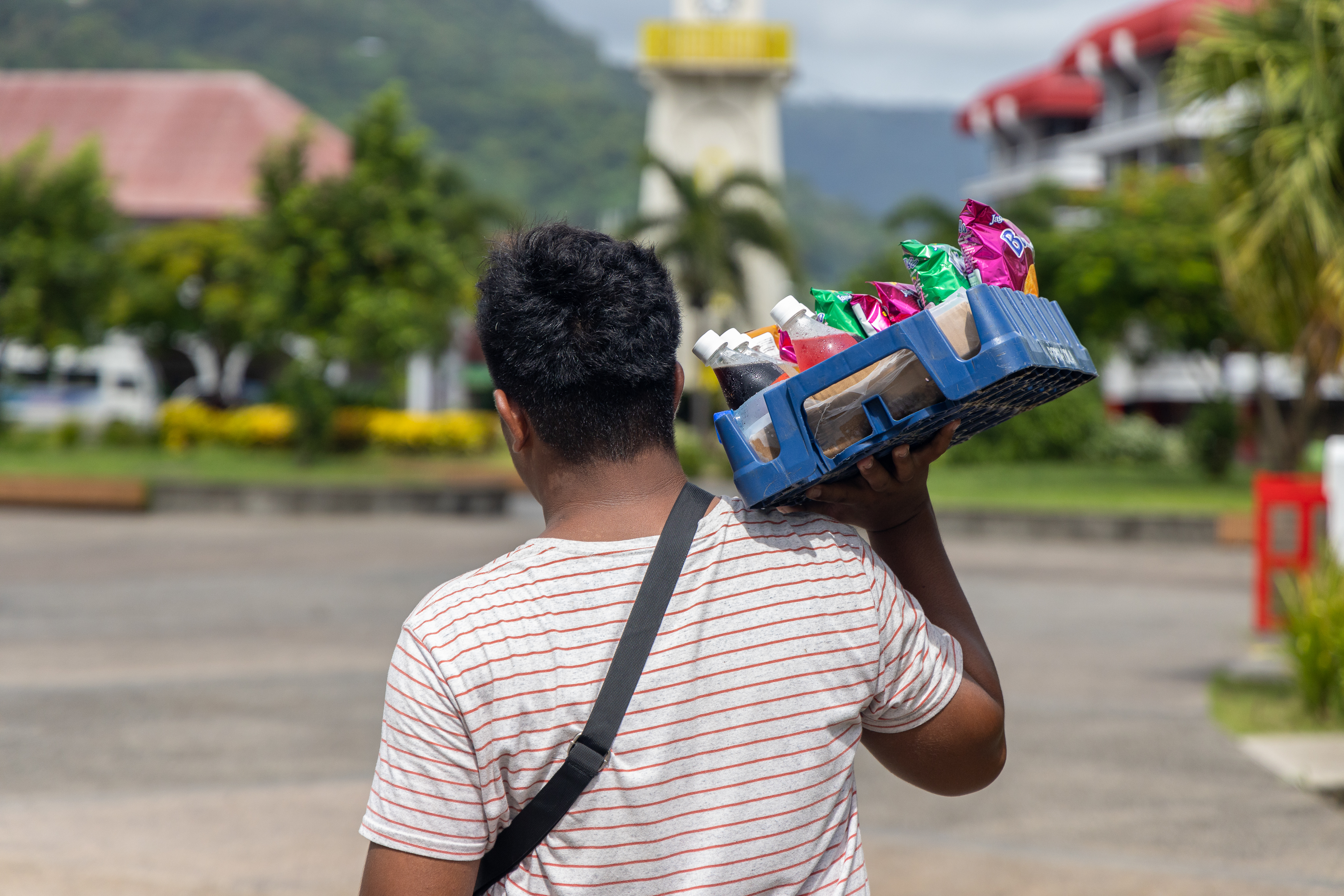
Rosey Faumui said children are spending more time indoors and less time engaging in physical activities.
“Children today are spending more time on phones and television instead of playing outside like before,” she said. “It has become harder for us parents to encourage outdoor play and keep them active, especially as lifestyles have changed over time.”
Parents say there is a growing need for greater awareness at home about healthy eating habits and regular physical activity to support children’s long-term health and wellbeing.
Ministry of Health figures show that non-communicable diseases (NCDs) are Samoa’s leading health crisis, accounting for 75 per cent of the disease burden and over 80 per cent of premature deaths. The crisis is driven by extremely high rates of obesity and metabolic risk factors, with roughly 85 per cent of adults overweight, 65 per cent obese, and up to 30 per cent affected by Type 2 diabetes.