



 Login
Login
 Subscribe
EFKS youth at Malua: ‘We are the future, but we are also the present’

 By Sulamanaia Manaui Faulalo
•
16 May 2026, 7:20PM
By Sulamanaia Manaui Faulalo
•
16 May 2026, 7:20PM
The youth of the Congregational Christian Church of Samoa are not only the future of the church, but also its present.
That was the message shared by Auimatagi Lani Alo, who continues to lead the fono tupulaga, or youth council, and serves on the youth table of the EFKS during this year’s Annual Conference at Malua, which is set to kick off on Monday.
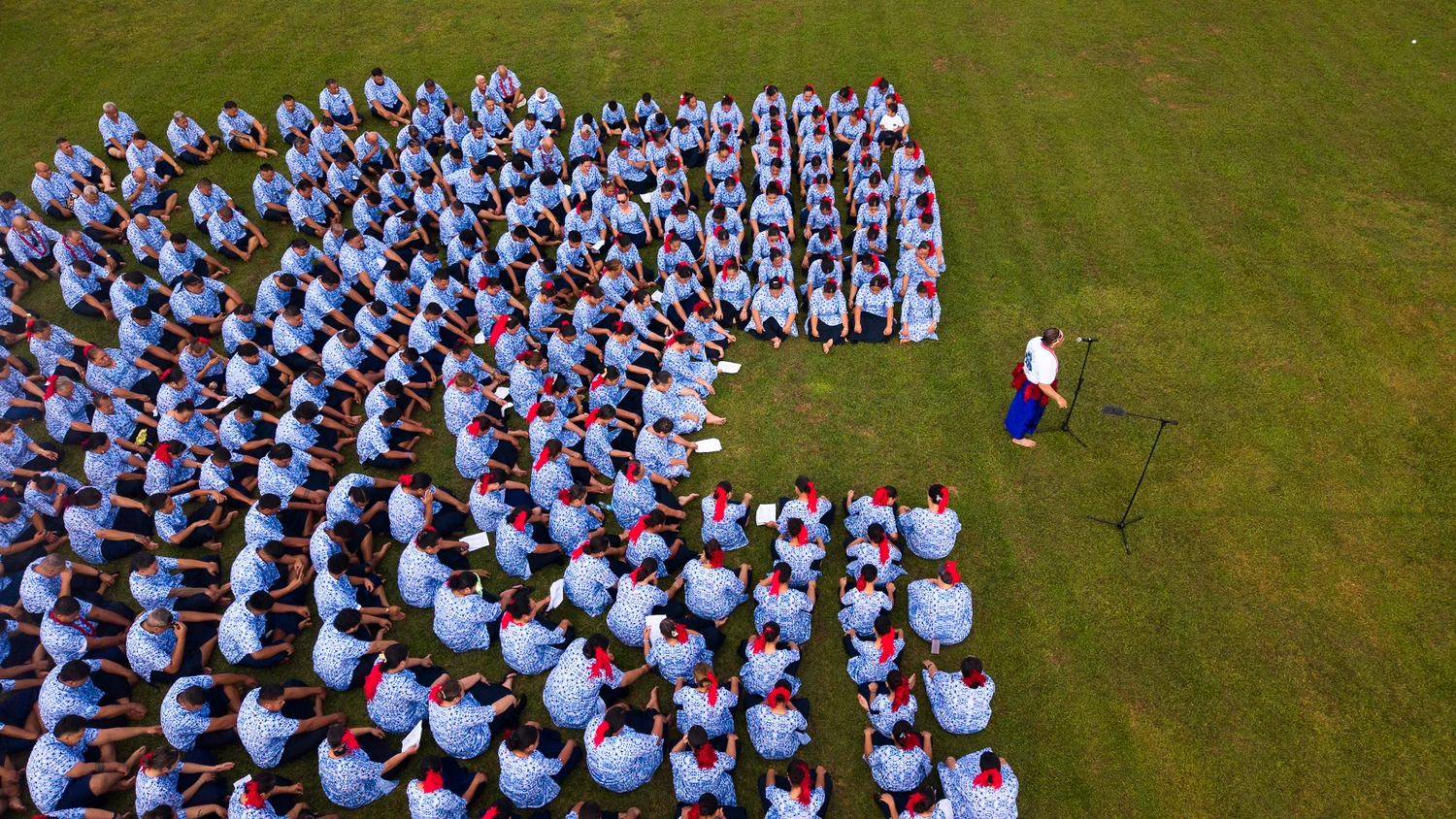
Auimatagi said the work of the youth remains deeply important, especially as the youth council is still in its foundational years, having begun in 2019. “For us, we were always told that we are the future,” he said. “But we are also the present.”
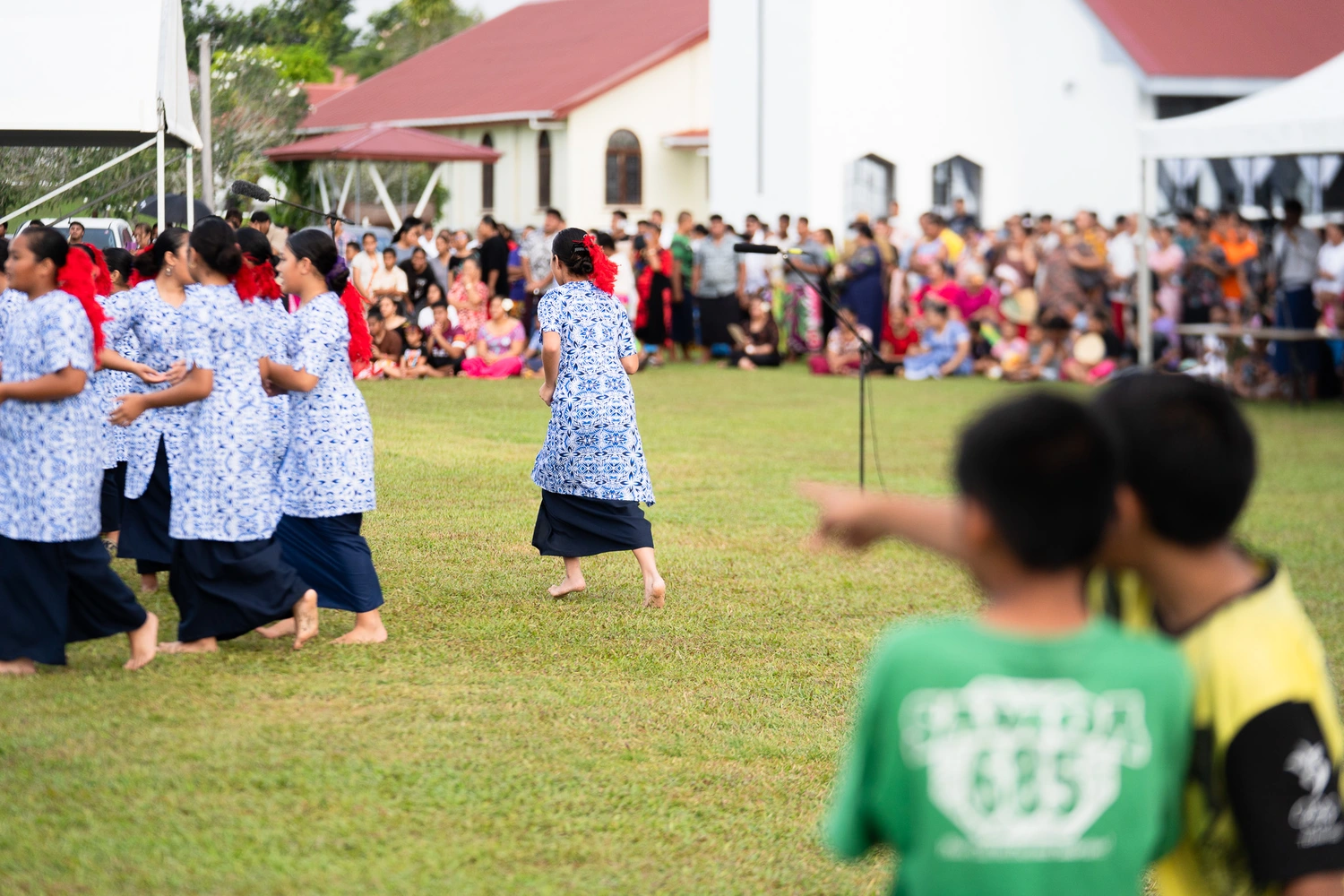
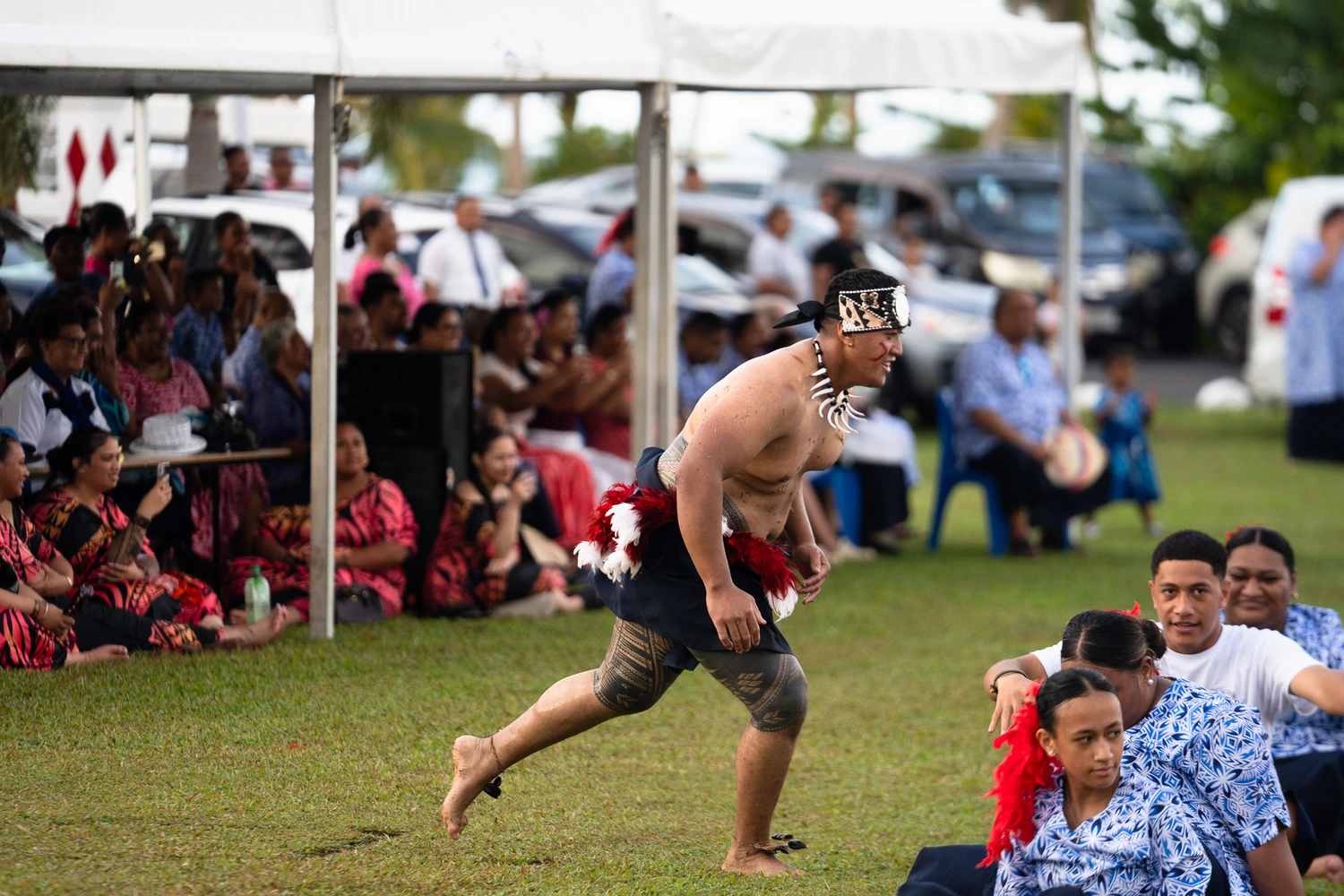
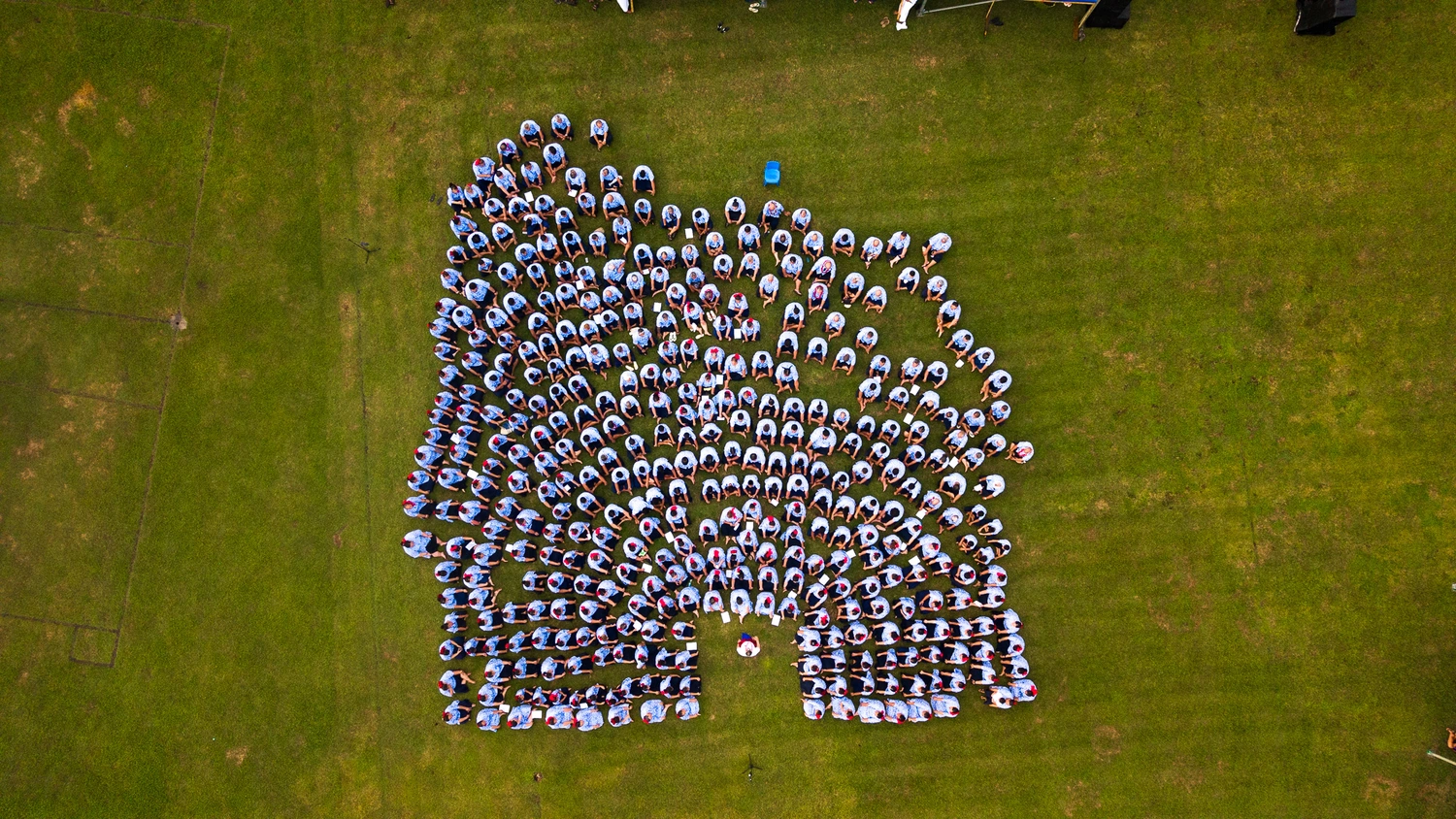
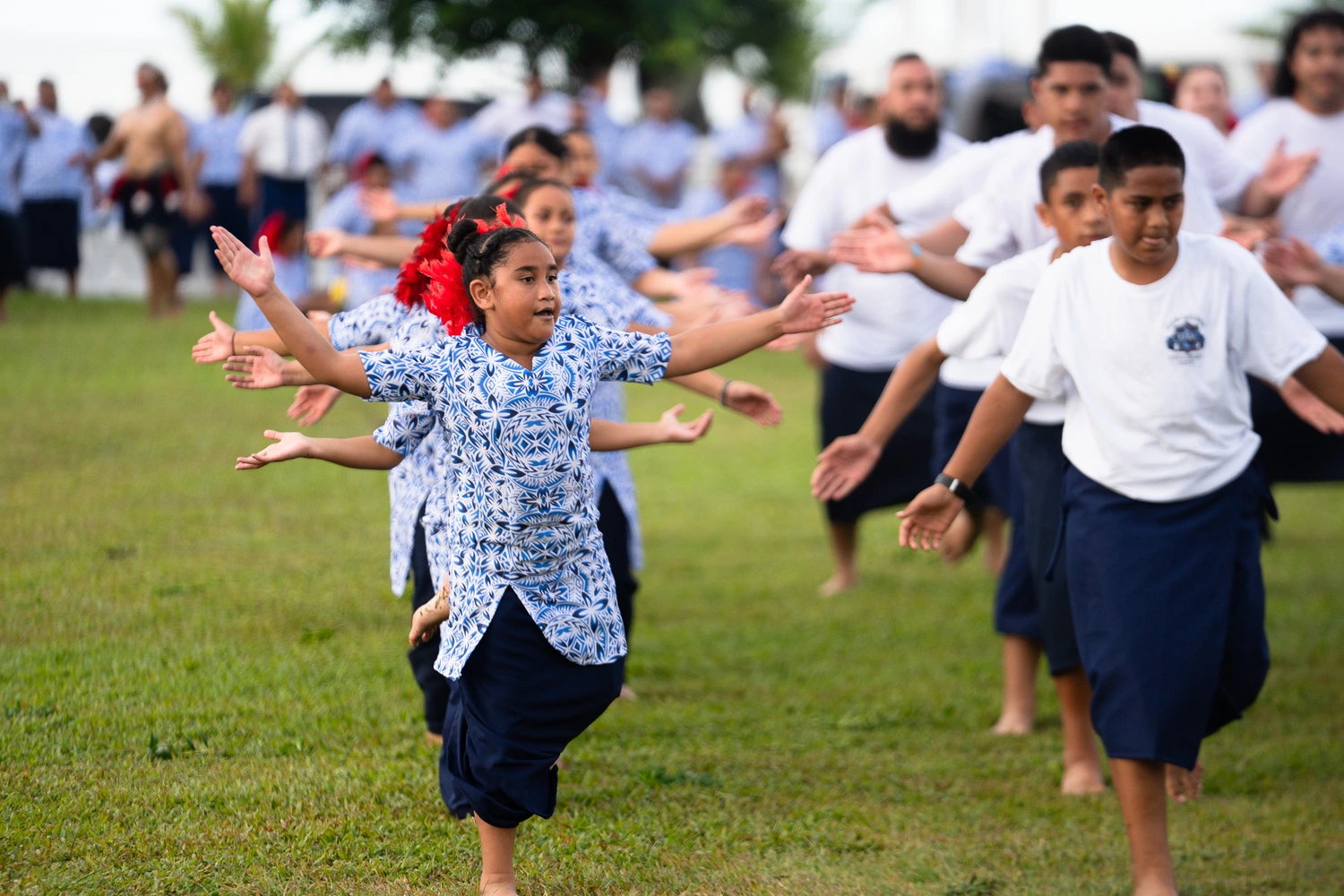
On Saturday, the youth presented an hour-long performance featuring Samoan traditional dances such as the ma’ulu’ulu, fa’aevagelia, sasa, and pese Samoa and a taualuga, creating a lively atmosphere at Malua. The performance was led by the matagaluega of the Niusauelese i Sisifo.
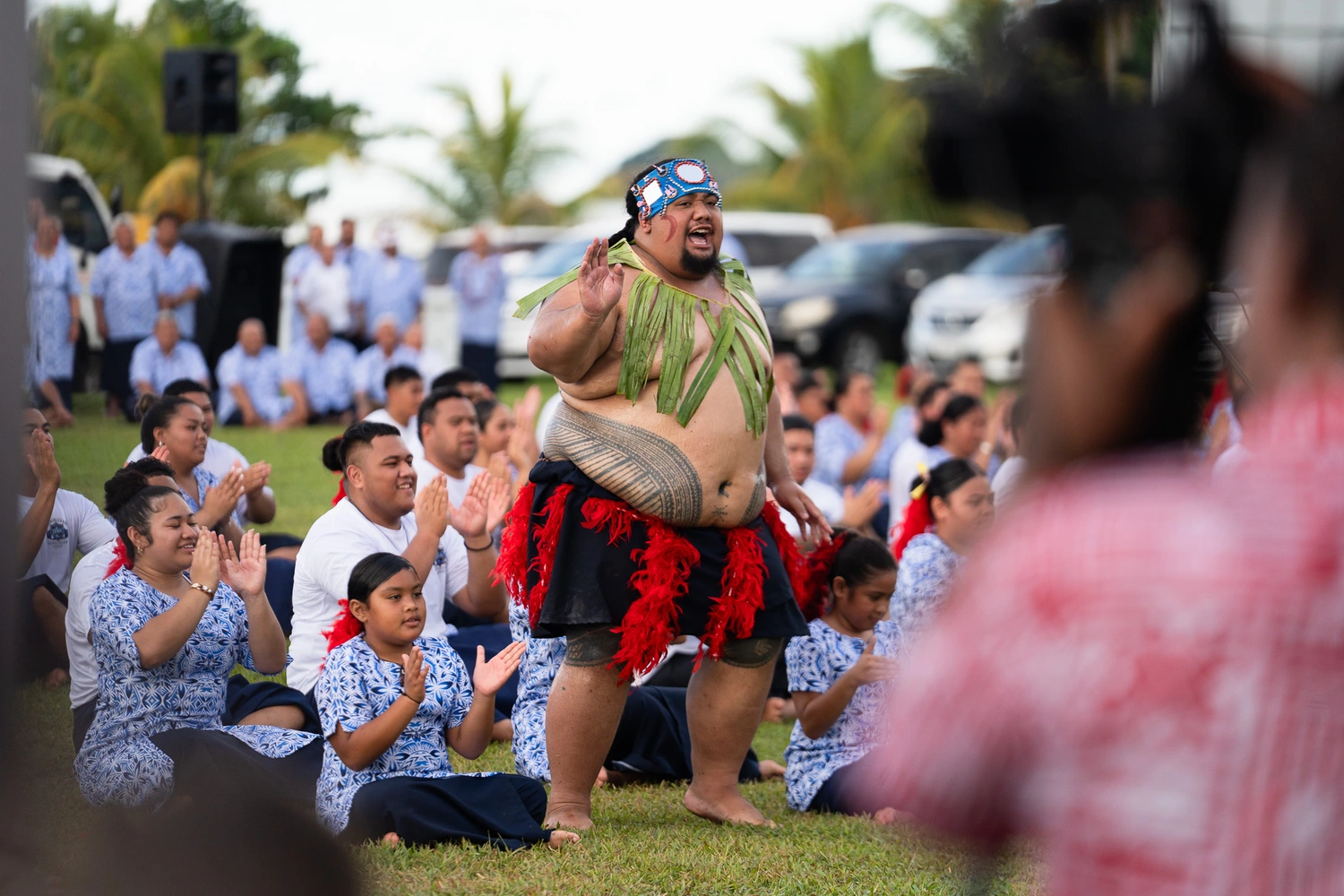
This year’s youth discussions focused on matters of faith, culture, village life, and the role of young people in the church. Autimatagi said much of the programme was centred on the church's spiritual and cultural life, as well as on the desire to bring young people back into the church.
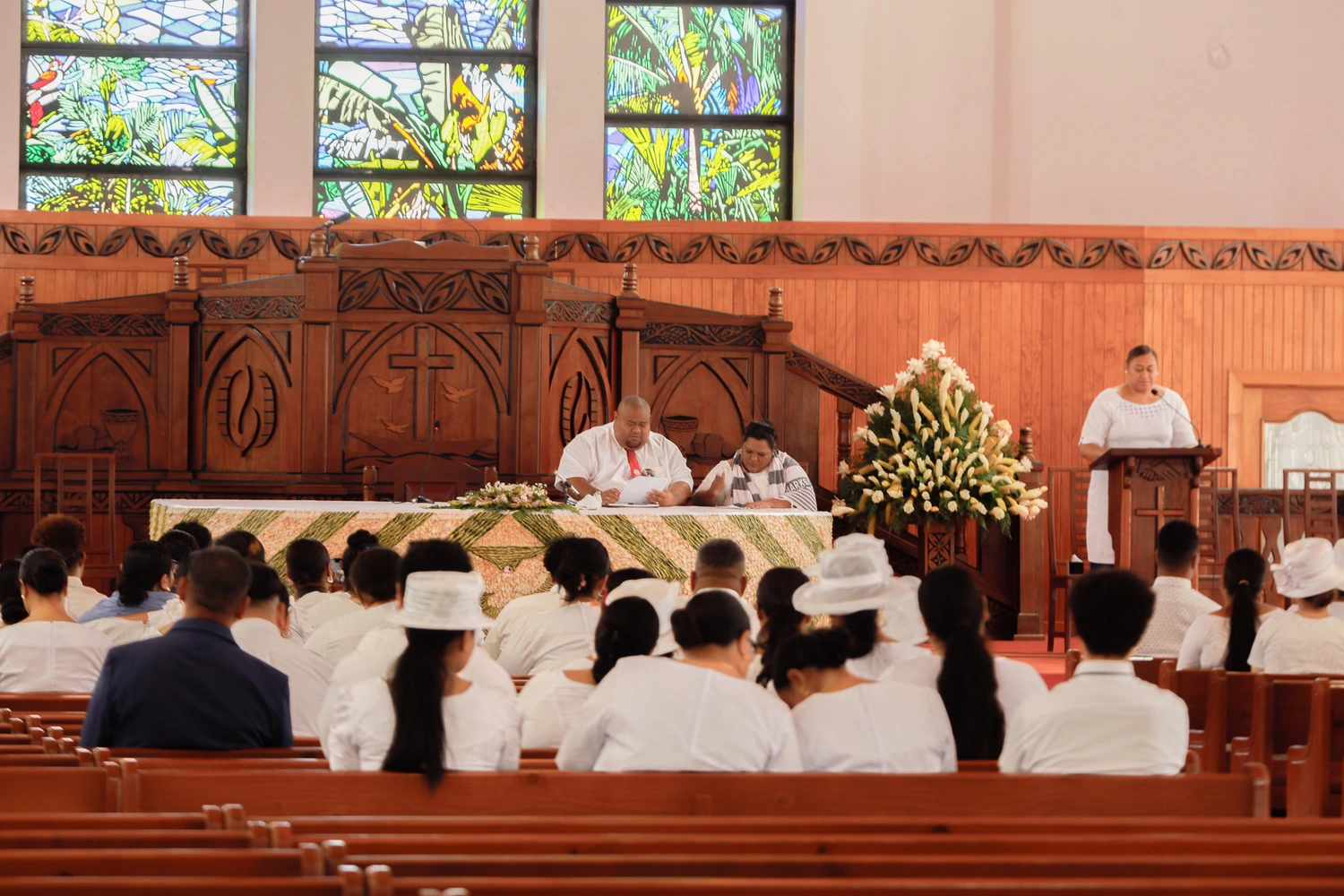
The youth also discussed broader developments and logistics, particularly regarding Malua, as young people from Samoa, the United States of America, Australia, New Zealand and other countries continued to work together.
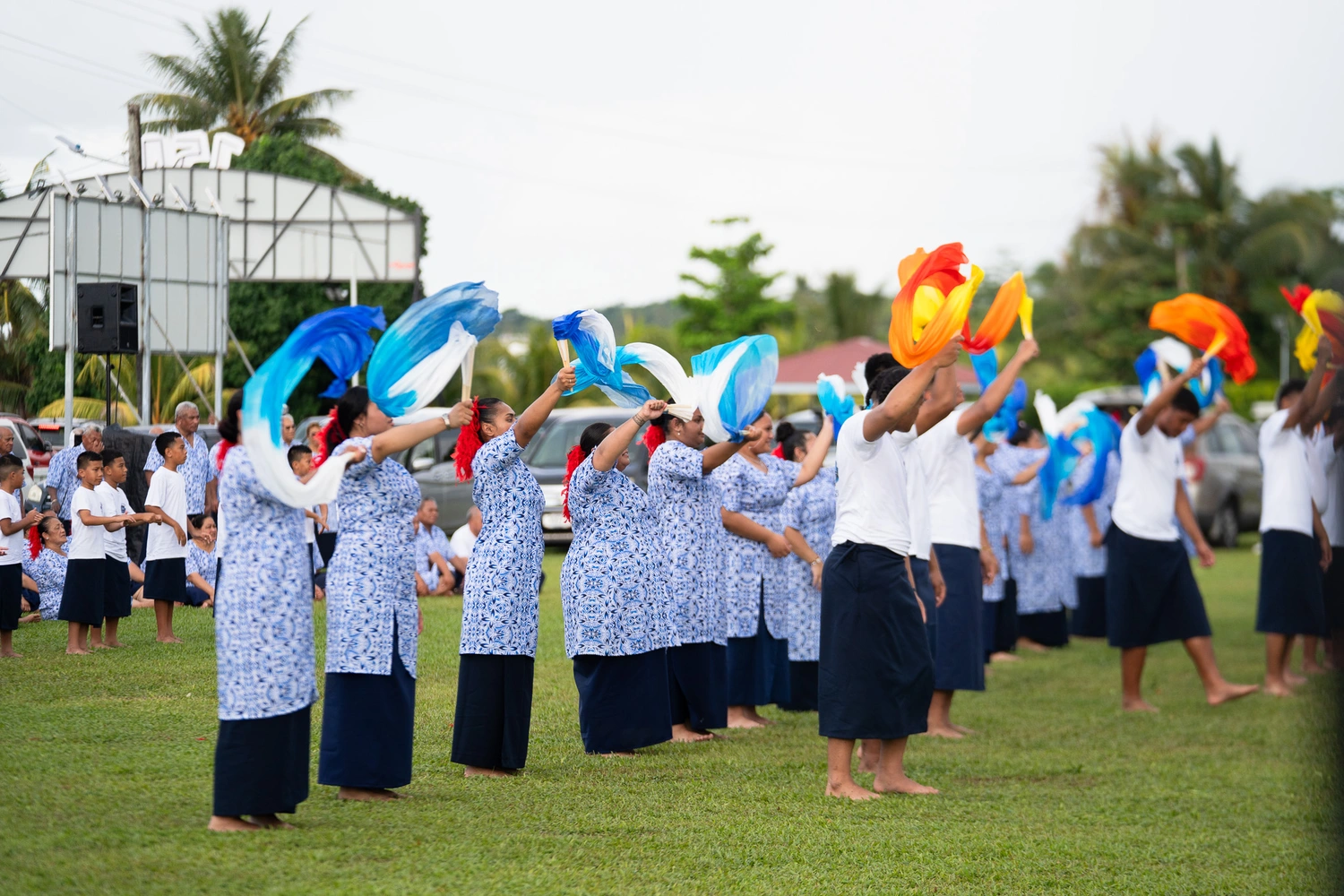
Auimatagi said the Malua fono has become an important space for youth voices, particularly as the church continues to navigate matters affecting the wider church. While there are many important matters before the church, he said the youth are focused on contributing positively and faithfully.
“I’m looking forward to the week ahead,” he said. “Every year has always been a good fono.” Another youth participant, Wayne Laai, said the youth meeting held on Wednesday and Thursday was a positive experience, especially because it created space for young people from different churches and countries to build relationships.
Wayne said there were not many major topics raised during the youth meetings, but the fono’s broader value lay in the fellowship and connections among the tupulaga. “The fono was good because it helped build relationships with others, especially youth from other churches,” he said. “We were able to meet and share with other youth groups from other countries.”
He said the experience at Malua was meaningful, not only through formal meetings but also through the fellowship shared outside the sessions. “It was a great experience, and the fellowship we had back at our accommodation was also meaningful,” he said.
Auimatagi said one thing the youth are looking forward to in the new week is the release of a song they have been working on together.
“Hopefully we can release the video next week,” he said, adding that some of the team are working on the edits. “We hope it will be inspirational for the youth.”
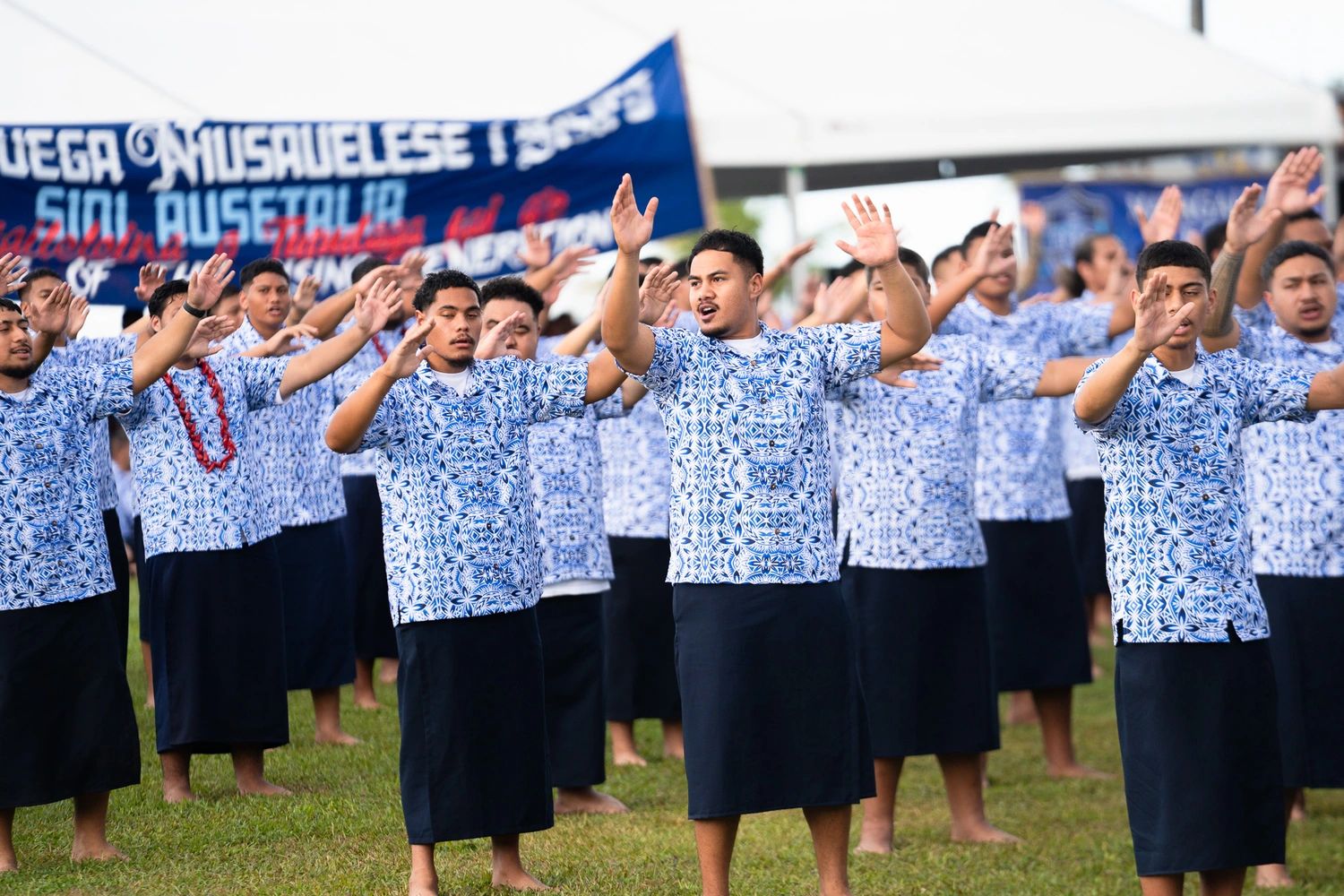
For Auimatagi and the wider youth, the work at Malua is part of something bigger: keeping young people connected to the church.




