



 Login
Login
 Subscribe
Tax sugary drinks and alcohol, WHO warns

The World Health Organisation warned that cheaper sugary drinks and alcohol are driving obesity, diabetes, heart disease, cancer, and injuries, particularly among children and young adults.
In two new reports, WHO urged governments to raise taxes on these products to curb harmful consumption and fund health services. Low tax rates in many countries have kept prices down while health systems face rising costs from preventable diseases and injuries.
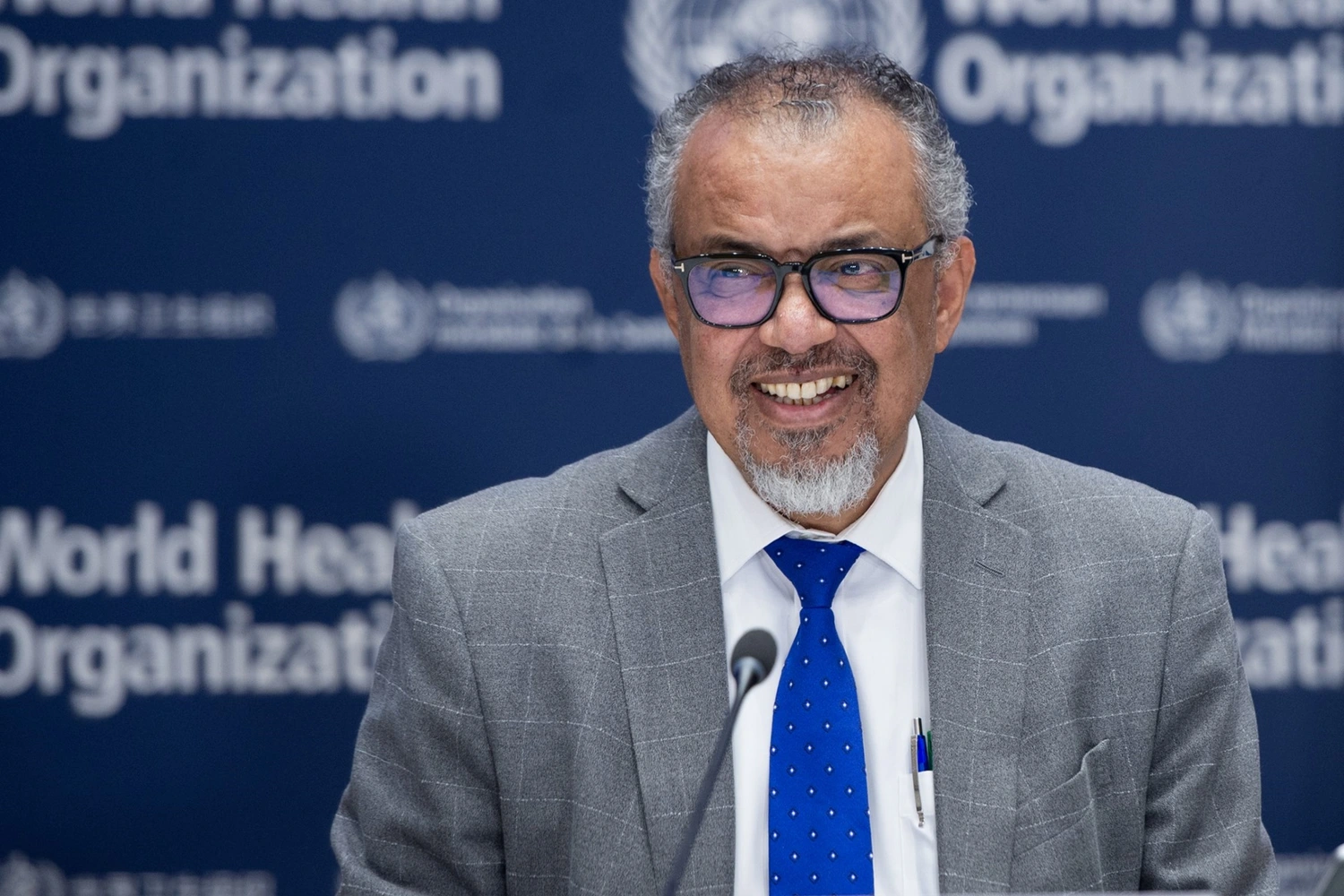
“Health taxes are one of the strongest tools we have for promoting health and preventing disease,” said WHO Director General,Tedros Adhanom Ghebreyesus. He noted that increasing taxes on products like tobacco, sugary drinks, and alcohol can reduce harmful consumption and unlock funds for vital health services.
The global market for sugary drinks and alcohol generates billions in profits, yet governments collect only a small share through health taxes, leaving societies to bear the long-term costs.
WHO reports show that at least 116 countries tax sugary drinks, mostly sodas, but many sweetened beverages, including 100 per cent fruit juices, flavoured milk, and ready-to-drink coffees and teas, escape taxation. While 97 per cent of countries tax energy drinks, this figure has not changed since 2023.
WHO found global median tax rates remain low: 14 per cent for beer and 22.5 per cent for spirits. Sugary drink taxes average just two per cent of a soda’s price and often cover only some beverages. Few countries adjust taxes for inflation, allowing harmful products to become cheaper over time.
Despite widespread public support for higher taxes on alcohol and sugary drinks, WHO said many countries have yet to act. Its new “3 by 35” initiative aims to make tobacco, alcohol, and sugary drinks less affordable by 2035 to protect public health.




