



 Login
Login
 Subscribe
Bill to remove Samoa from EU blacklist

 By Sulamanaia Manaui Faulalo
•
17 December 2025, 7:30PM
By Sulamanaia Manaui Faulalo
•
17 December 2025, 7:30PM
The Removal of Tax Exemption for International Companies Amendment Bill passed its second reading after the Minister of Finance, Mulipola Anarosa Molioo, proposed that the reforms were necessary to restore Samoa’s international reputation and repair strained relationships with global financial partners.
The bill aims to remove Samoa from the European Union (EU) tax blacklist, as members of parliament debated changes to the treatment of international companies during a parliamentary sitting this week.
The government aims to be removed from the EU blacklist by October 2026, with a transition period allowing full implementation of the new tax rules by 2028. Mulipola said that if the bill does pass its third reading, Samoa will be removed from the EU blacklist.
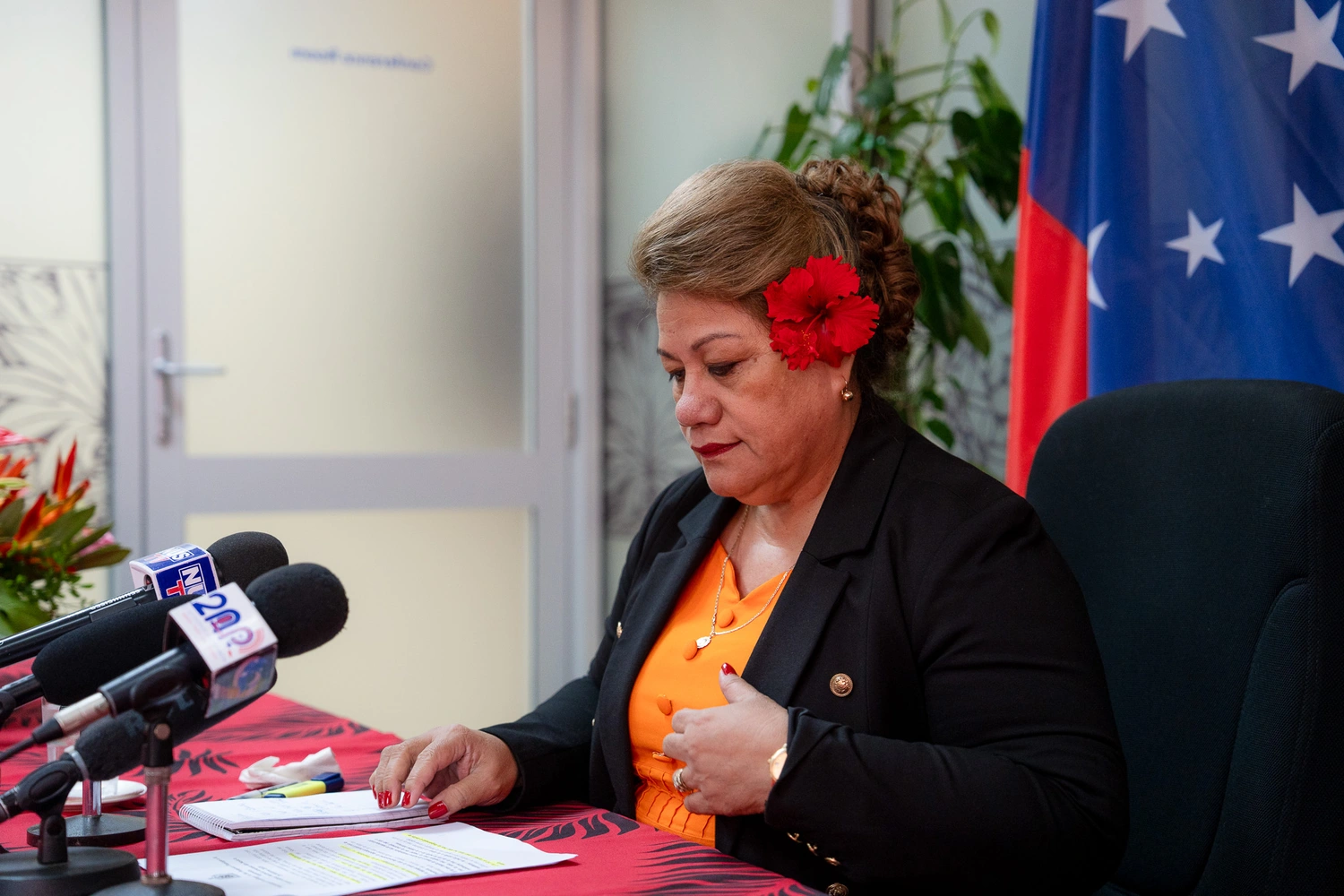
The proposed legislation would end tax exemptions for companies registered under the Samoa International Finance Authority (SIFA), placing them on the same tax footing as domestic businesses. Mulipola said preferential tax treatment for offshore firms was a key factor behind Samoa’s blacklisting by the EU.
The bill contains two main components: clearing out non-compliant companies that have failed to meet tax obligations, and reforming the legal framework that led to Samoa’s designation as a non-cooperative tax jurisdiction. Mulipola said the changes are intended to strengthen the name of Samoa and that “it is not about the money but the reputation of Samoa.”
Mulipola told Parliament the blacklist had damaged Samoa’s standing overseas, affecting banking relationships, business opportunities and access to international markets. Local banks, including the National Bank of Samoa, have faced difficulties maintaining correspondent banking relationships, particularly with US institutions. Samoa is currently among 11 jurisdictions on the EU blacklist, which is reviewed twice a year.
Several members of parliament supported the bill while raising concerns about its potential financial impact on SIFA, which generates revenue from hundreds of registered international companies. Deputy Opposition Leader Fonotoe Pierre Lauofo warned that stricter tax rules could reduce company registrations and lower revenue, but acknowledged the reputational costs of remaining blacklisted.
Former Minister of Commerce, Industry and Labour (MCIL) Leatinuu Wayne Fong, MP for Faleata No.2, recommended increasing registration fees and strengthening due diligence measures, noting that legitimate companies were often grouped with non-compliant operators.
The Speaker of the House, Auapaau Mulipola Aloitafua, later referred the bill to the Revenue Committee for further review. Parliament is expected to resume on 20 January 2026.




