Login
Login
 Subscribe
Ending abuse of women in sports
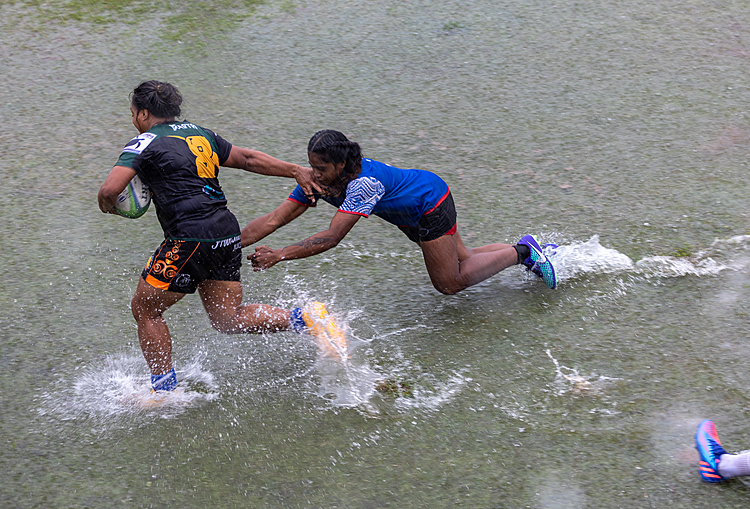
There was swift action from Lakapi Samoa in dealing with a situation where there were alleged sexual advances made towards a Manusina player. The unwanted sexual advances were made through text messages.
In response to the complaint by the player, Lakapi Samoa put into motion its machinery designed to deal with such matters. The result of this was the staff member will no longer be involved with anything that involves women’s rugby.
It has been seen in the past that such issues have been swept under the carpet or the players fail to make a complaint about the matter. In this instant, the player affected was able to communicate her grievance to the manager and this was then passed on to Lakapi Samoa through the team report.
Was there a need to wait that long and could this issue have been dealt with more urgency? Perhaps but at the end of the day, it has been dealt with.
Even though these were just text messages sent to the player by the staff, this behaviour is enough to constitute a form of sexual attack. There is a need for a sexual harassment policy in all sports organisations that defines what acts are accepted and which are not.
There is also a need for training for all men who are associated with women’s teams or women’s sports either as coaches, administrators or staff members.
In any other organisation, any breach of the sexual harassment policy would end up in termination so it is a bit surprising to see that the services of the staff member implicated in this scandal is still being employed by Lakapi Samoa.
It is also important for female athletes in any sport to speak out about such things. There is never a need to hide such acts for fear of losing one’s spot in the team or missing out on an international meet. Government ministries involved with sports have to come up with a similar policy that defines the mechanisms of dealing with such behaviour and defining what is unacceptable.
Turning a blind eye to such acts in women’s sports is not a good thing, therefore a channel to deal with incidents is needed.
Never should such behaviour or continuing pattern of neglect be accepted. Sporting bodies should never choose to put players in danger of mental, physical and sexual abuse rather than dealing with any risks to the institution’s name or profits.
They should never be more concerned with winning titles and championships than dealing with the consequences of firing and hiring coaches and or staff members who are engaged in such acts.
Lakapi Samoa’s excuse for keeping the staff on board is that his expertise is hard to get by. That should never be a reason to keep someone on board who has accepted the fact that he did make sexual advances towards the player.
The German Olympic and Paralympic Committee conducted a study in 2020 to research sexual abuse in the sports industry. Of 1,529 elite athletes, 54.2 per cent of athletes had experienced some form of sexual abuse during their lifetime. 48 per cent of the victims were abused in and out of their sport.
A survey of this nature should also be done in Samoa to find out about such practices that may have happened. Tradition and customs often put undue pressure on female athletes to speak up against authoritative figures.
According to a 2011 report researched by Celia Brackenridge, a professor at Brunel University, out of 78 cases of swimmers in the United Kingdom, 49 per cent of sexual abusers were authoritative figures (coaches, trainers, club officials, etc.). All were male. The report also stated that 25 per cent had experienced or knew someone who experienced sexual harassment or abuse in their sport out of a sample of Danish athletes and coaches.
Many of these institutions are now implementing new policies to better ensure the safety of each athlete, but the players want more than empty promises; they want action and tangible evidence that the clubs or teams they play for are not going to tolerate any abuse, bias, or discrimination for any reason.
The courageous athletes who stand up to their abusers and the institutions that failed to protect them are paving the way for a better future; not just for athletes, but for society as a whole. And institutions who put their athletes first should also be commended.