



 Login
Login
 Subscribe
Senior citizen reminisces on the 'pioneer days'
 3
3
 By Fuimaono Lumepa Hald
•
02 September 2022, 1:00PM
By Fuimaono Lumepa Hald
•
02 September 2022, 1:00PM
Senior citizen Mike Anderson has a lot of memories of Samoa’s early years, having moved to the country in the late 1960s, those were the days of the pioneers and he wanted to share his stories.
In a recent interview with the Samoa Observer, Mr. Anderson said he wanted to share his recollections with this newspaper’s readers, as part of the country’s 60th Independence anniversary celebration.
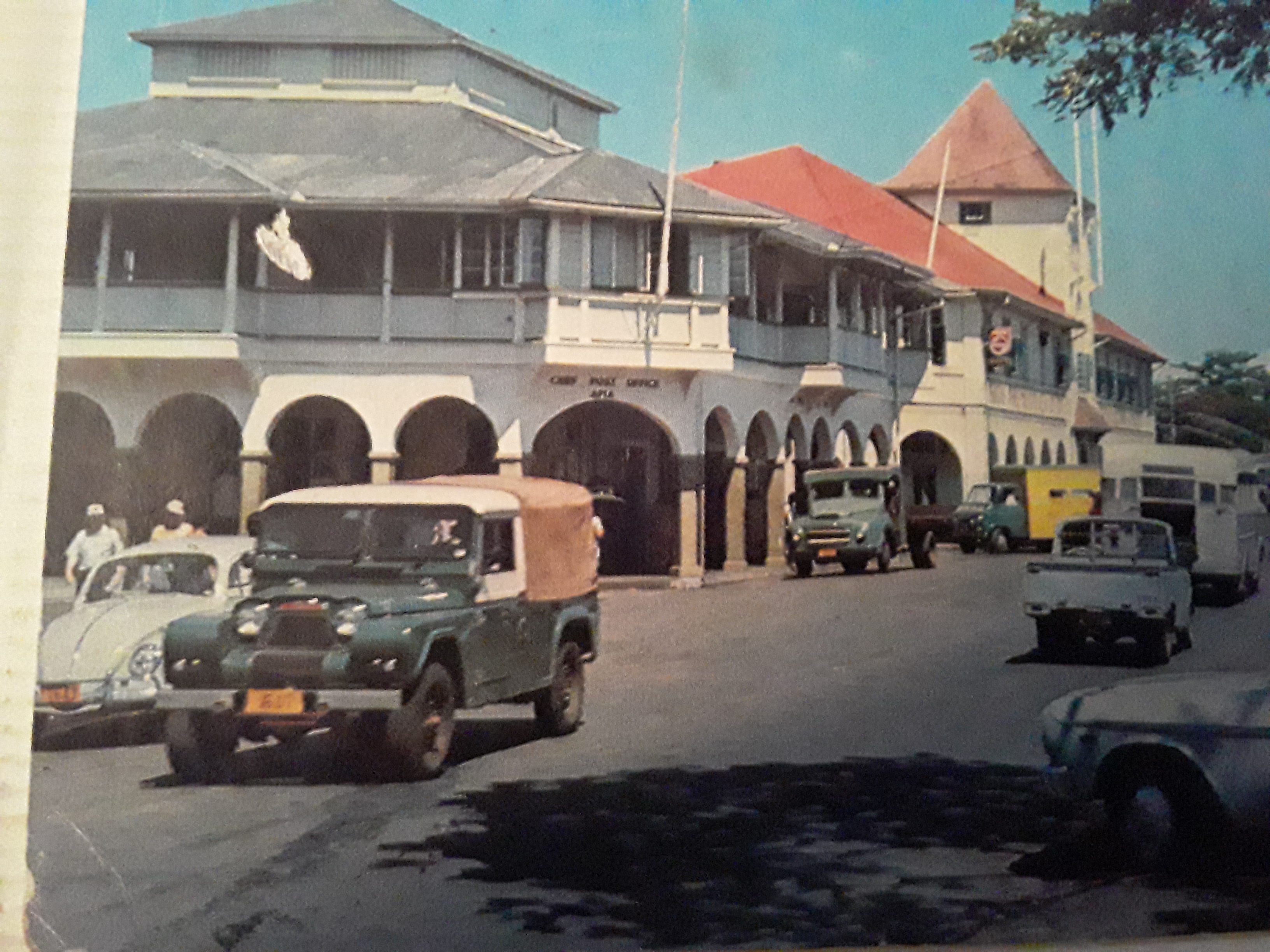
Looking back at the period between the late 1960s and early 70s, he said those days the 1950s Bedford trucks were the only ones in the country and had multiple uses, as tip trucks those days were unknown.
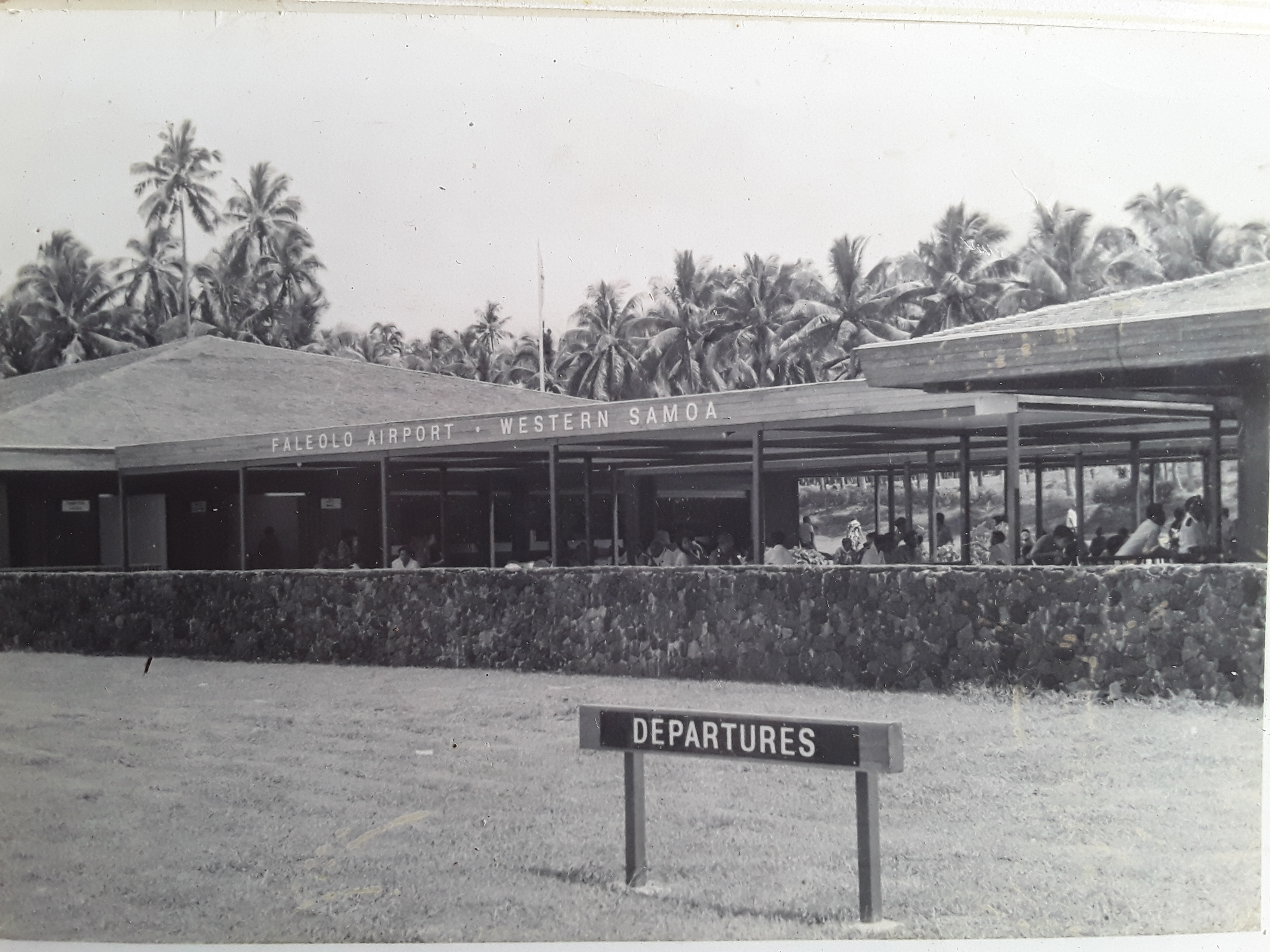
The Faleolo airport was also already open those days with Mr. Anderson indicating that the “international departure lounge” up until 1972 was on the side facing the lagoon, and was an open area with people of all ages waiting outside for the plane.
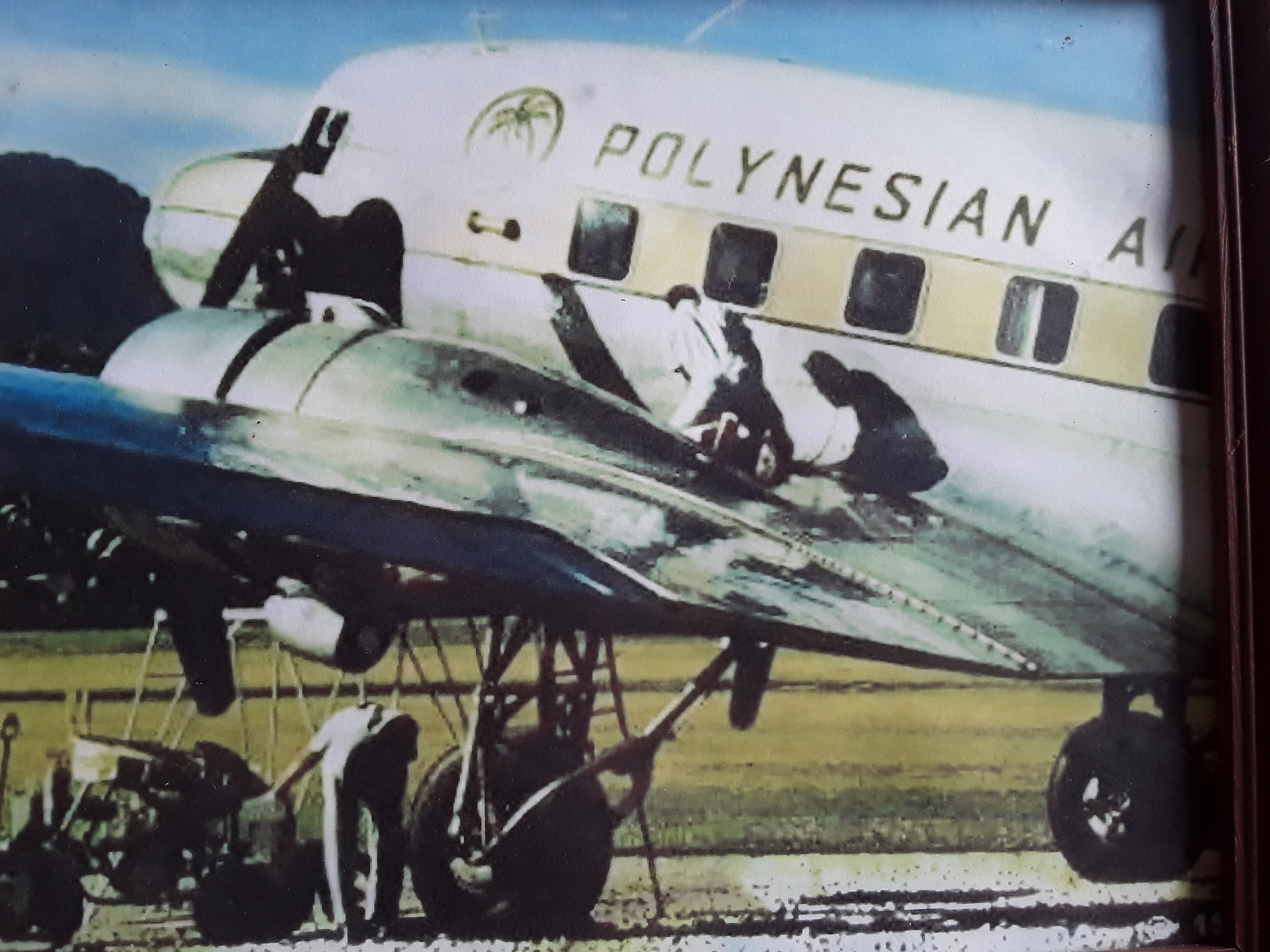
The Douglas DC-3, which was a common sight those days in many parts of the Pacific islands, was the main type of aircraft servicing Samoa back in the days.
"The first airport construction was very simple compared to now as you could see the faithful DC-3 plane battling its way through and the Palolo dredge in the background when you look at my old photos," he said.
He said his trips to Asau in Savai’i from Apia were also epic in themselves, as he would catch a taxi to Mulifanua wharf, with the decorations on the cabs a sight to behold while travelling on the dirt road.
“Incidentally, taxis at the time were highly decorated with strings of Christmas lights, leis and so forth,” Mr. Anderson said.
“The fashion was to disconnect the front shock absorbers so that the front would dip severely under braking just as in the Hollywood movies!”
During those days there was no proper inter-island ferry service with travellers taken across the channel to Savai’i sitting on the deck of old copra-carrying boats.
The names of one of those copra boats, Bettie Lou remains etched in his memory, due to the vessel's tendency to lean to one-side for prolonged periods as if to capsize, and one day it did.
"One such [copra boat] was the Bettie Lou, which had the disconcerting habit of suddenly leaning to one side for a few minutes, straightening up for a similar time, then leaning to the other side for a while,” Mr. Anderson said.
“This went on for a few years when in mid-channel it rolled to one side and then kept on going until inverted, throwing all into the water.
“Fortunately, another ferry was passing in the opposite direction and they were quickly picked up although a small boy and an elderly man drowned.”
Upon reaching Salelologa, Mr. Anderson said a Toyota Stout would carry them to Asau on extremely rough dirt roads, in a trip that would take a total of 10 hours from the time he left Aggies Hotel for Asau.
Asau in Savai’i during those days was prime for development so to support a mill, a wharf was built in 1966 for ships to move timber direct to the U.S.
Mr. Anderson said this required extensive dredging of the lagoon and considerable deepening and widening of the reef entrance channel with the work undertaken by Wilkins and Davies of New Zealand.
However, problems arose in that despite extensive blasting came with severe ecological damage, according to Mr. Anderson, who added that before it reached the design depth it could not be excavated further and had to be terminated.
“This prevented all but smaller vessels from using it and forced timber to be shipped in smaller quantities to Apia with double handling destroying the economics," he said.
"I think there are lessons to be learned from this in the previous Government’s plans to complete the entrance by the Chinese.
“Perhaps better techniques are now available but again severe ecological damage would seem unavoidable and I personally do not consider it practical.”
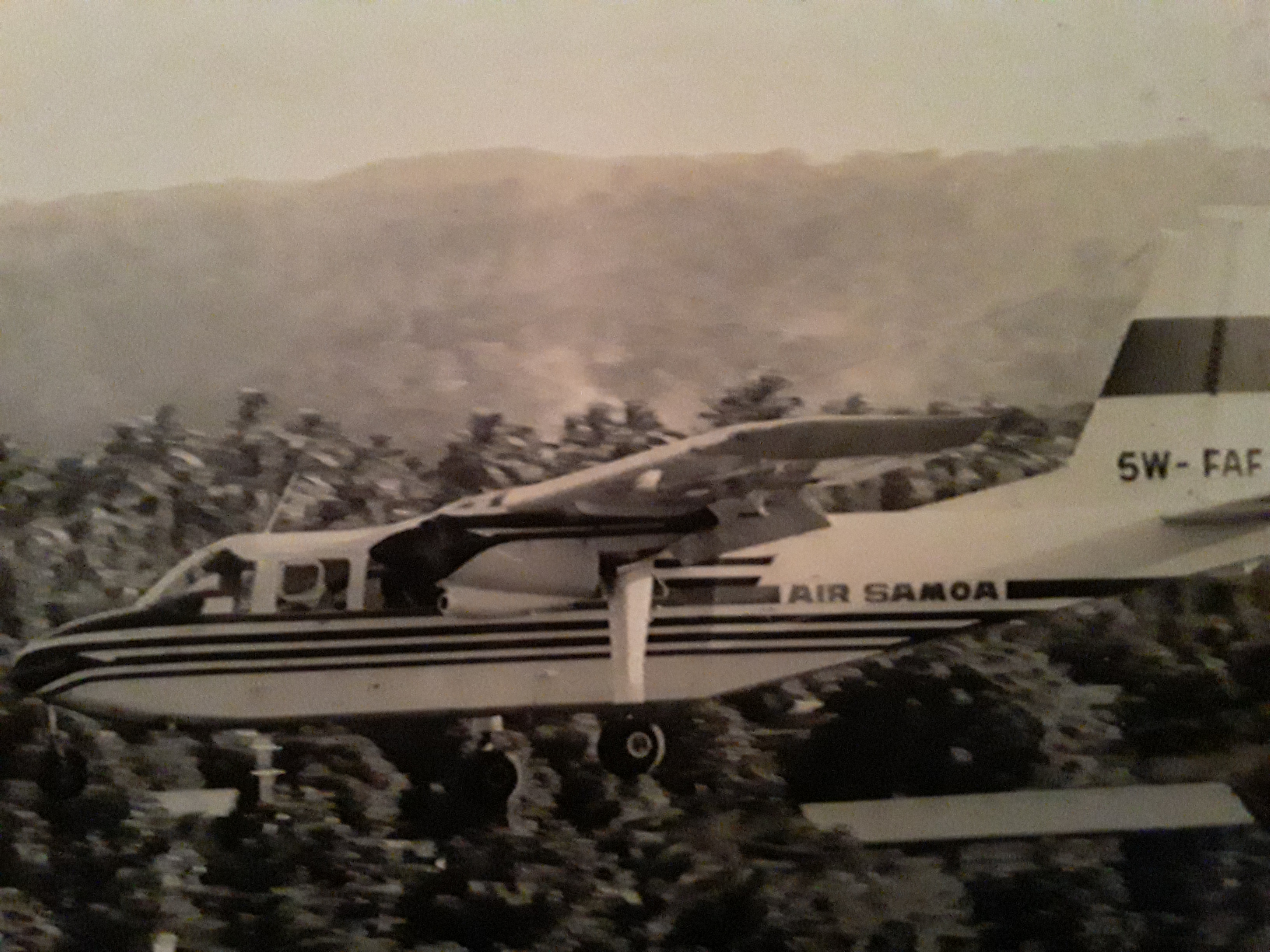
As for the Asau wharf, he said large quantities of dredged material was placed on the reef east of the harbour entrance, and he assisted in the creation of a runway on the land for the Britten Norman Islander purchased by Air Samoa Ltd to connect Asau with Apia (Fagali’i).
However, Mr. Anderson said the runway was washed away by Cyclone Ofa in 1989, whose force uplifted and created coral debris along the reef from Faleolo to Apia and almost blocked Apia harbour.
“The Va’ai family subsequently built the new airport in its present location around 1999 but the old glory days have gone and to date this has seen very little use," he said.
He also recalled the time when the post office in Apia got burnt down in 1984 and how it was connected to an employee who opened the mail looking for cash and ended up burning the place to cover his tracks.
"The original Post Office is where the ANZ Bank is now. This was burnt down in 1984 and in fact, the team doing the airport and I were having an evening happy hour in Donovan’s Reef nightclub to the rear when suddenly a thin trail of smoke arose from the top of the roof which rapidly spread and destroyed the whole building.
“Eventually, it was found that an employee who had been opening mail looking for money and hiding these in the tower had set them alight to cover his tracks. Unfortunately, this practice was very common at the time.”




