



 Login
Login
 Subscribe
Samoa celebrates Halloween
 By Marc Membrere
•
31 October 2021, 7:31PM
By Marc Membrere
•
31 October 2021, 7:31PM
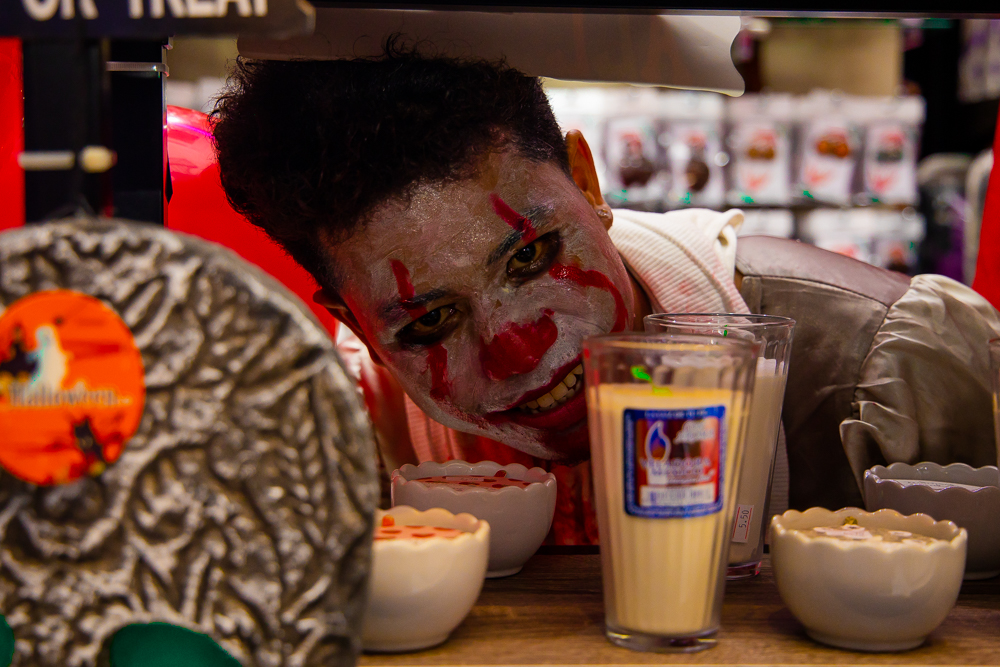
Halloween was celebrated across Samoa on Saturday, as people dressed up go trick-or-treating or celebrate at parties and nightclubs partying and marking an increasingly popular global tradition.
Also known by the traditional name of All Hallows' Eve, the event is held each year on 31 October.
The tradition was celebrated at locations around Samoa on Saturday such as at Samoa Fiafia Park’s trick-or-treating festivities, parties at nightclubs and even the construction of a haunted house at the Taumeasina Island Resort.
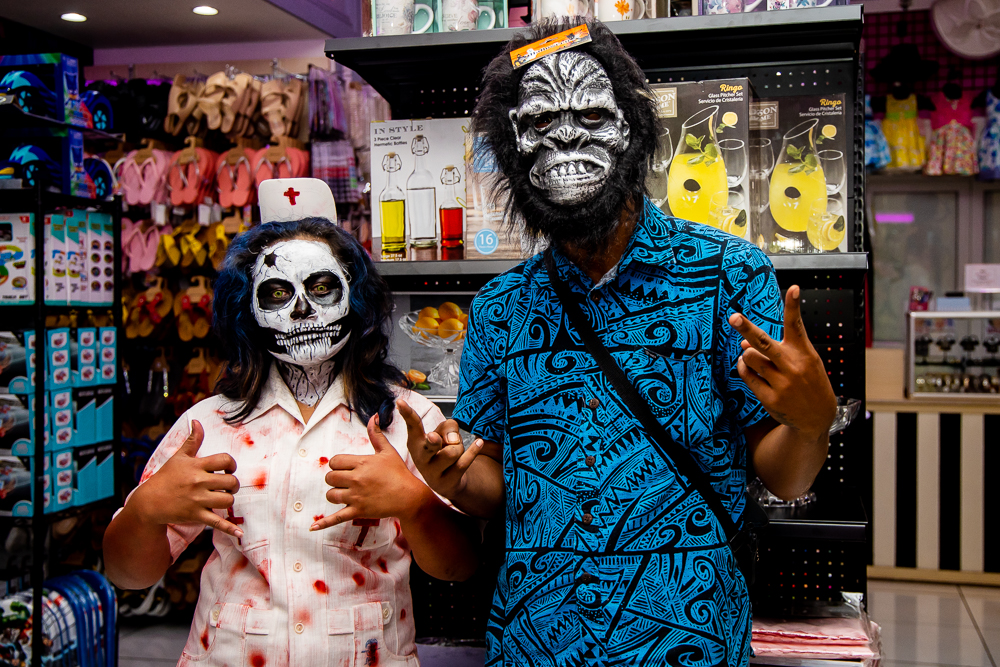
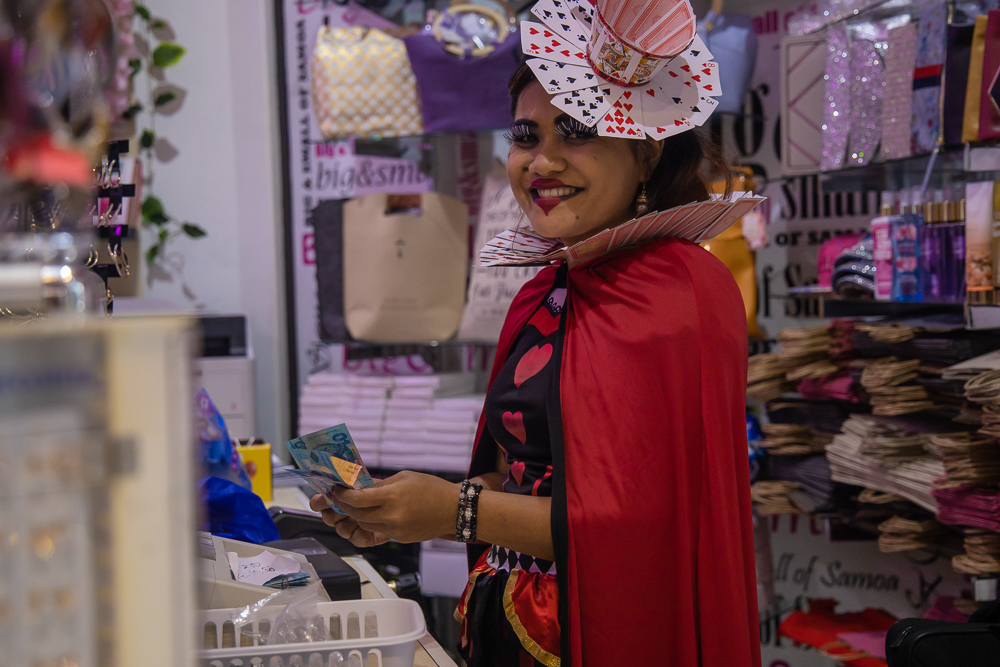
Shops prepared costumes and wares for sale, including Big and Small which did a brisk trade in frightening costumes and accessories ahead of Saturday night’s festivities.
The owner of Samoa Fiafia Park, Tupa'i Bruno Loyale, said Saturday evening’s celebration had an excellent turnout and had adults and children alike leaving the fairground in high spirits.
"It was quite a big turnout and people came prepared, kids came dressed up in costumes, masks," Tupa'i told the Samoa Observer.
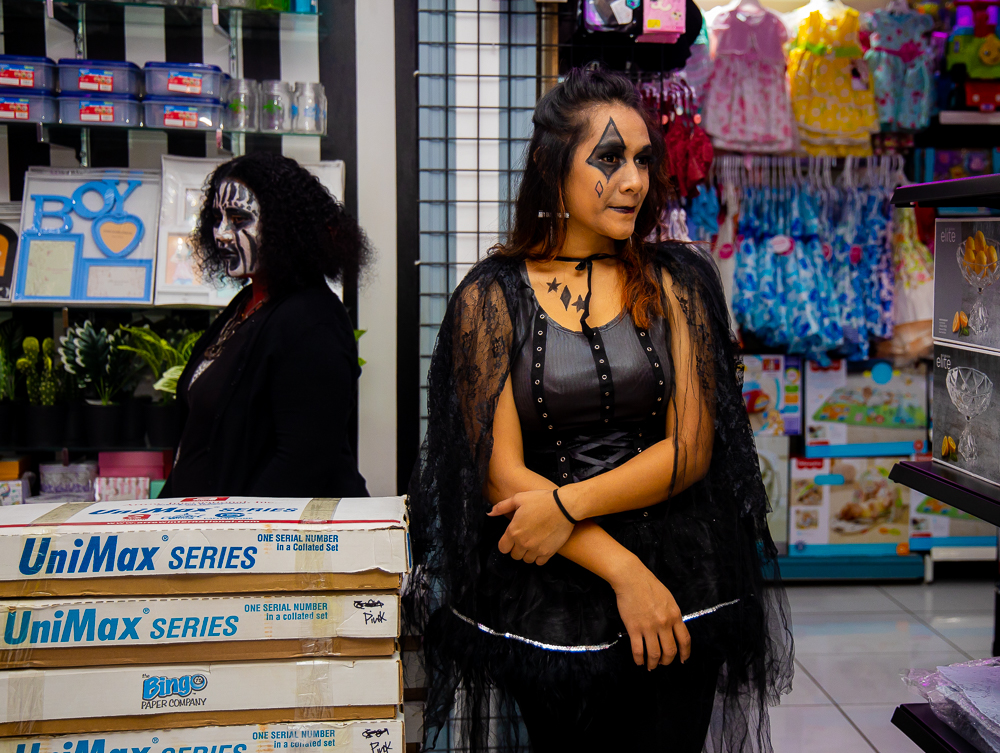
The ringmaster said that they decorated the park extensively with jack-o-lanterns carved from pumpkins and candy was liberally distributed at the main feature of the park's celebration, its castle.
"That's the first time I've done that, and so people can go up to the castle and people were taking pictures and we had a witch giving away candy," he said.
Tupa'i admitted he had received a negative comment about Halloween from one person who described the holiday as "evil" but he said that was to be expected.
Several children got into the spirit of the trick-or-treating event by dressing up, Tupa'i said, and several costumes were on display.
"One came dressed like a little fairy," he said.
Tupa'i said that the theme park is expecting to expand its annual celebration of the event and will look to construct a haunted house for the park in future.
He said had grown up with Halloween and noted the tradition is particularly strong in American Samoa.
"It's just a fun thing for kids to look forward to," he said.
"The jack-o-lanterns came about because of the feast. That's when they harvest the pumpkins, in the month of late October and that's why they celebrate and they put candles inside."
But the event was not universally well received with some people telling the Samoa Observer that they did not appreciate the event's evil and perceived evil connotations.
Daimon Oka Fauolo told the Samoa Observer he believed that the occasion was in contradiction with a Christian worldview.
"I have never been a fan of Halloween,"he said.
"The main reason is that it goes against my beliefs as a Christian, people celebrate by wearing costumes that depict evil.
"You cannot drink the cup of the Lord and the cup of demons. You cannot partake of the table of the Lord and the table of demons."
But for Jay Wong King, Halloween was a chance to ensconce himself at home, away from celebrations, and to watch horror movies.
"Normally I don't celebrate Halloween events, but I do like watching horror movies," he said.
He said that last night he received many invites from family and friends who were heading out to celebrate, but he had preferred to stay home and watch movies and eat snacks.
The origins of the festival are the subject of some contention among historians.
Some scholars place the event in Christian tradition that dates back more than one thousand years to the 4th Century, when early Christianity co-opted an existing local tradition and melded it to precede with the religion's holy All Saints’ Day
Others place a greater emphasis on its roots as a pagan Celtic tradition that pre-dated the arrival of Christianity to the British Isles. It was originally known as the festival of Samhain, when people would light bonfires and wear costumes to ward off ghosts before the coming of winter.
Celts, historians say, saw the changing of the seasons as a day on which the dead would walk among the living.
The practice of donating food to strangers who would travel from door to door seeking food in memory of householders’ passed away relatives is believed to have begun in England and Ireland.
Nonetheless the event has increasingly taken root as a tradition across the Christian world; it is especially popular in America, where the focus of dressing up in celebration has shifted gradually away from costumes designed to terrify and towards a general occasion for dressing up.
America's global cultural influence has led to the event being marked not only across English-speaking countries but around the world in countries as far afield as Asia and South America.




