



 Login
Login
 Subscribe
ACL Injuries and anatomy of the knee
Talofa Samoa and welcome back to your health column. This week we look at one of the most common injuries I see in the clinic, an anterior cruciate ligament (ACL) sprain/tear.
Anatomy of the knee
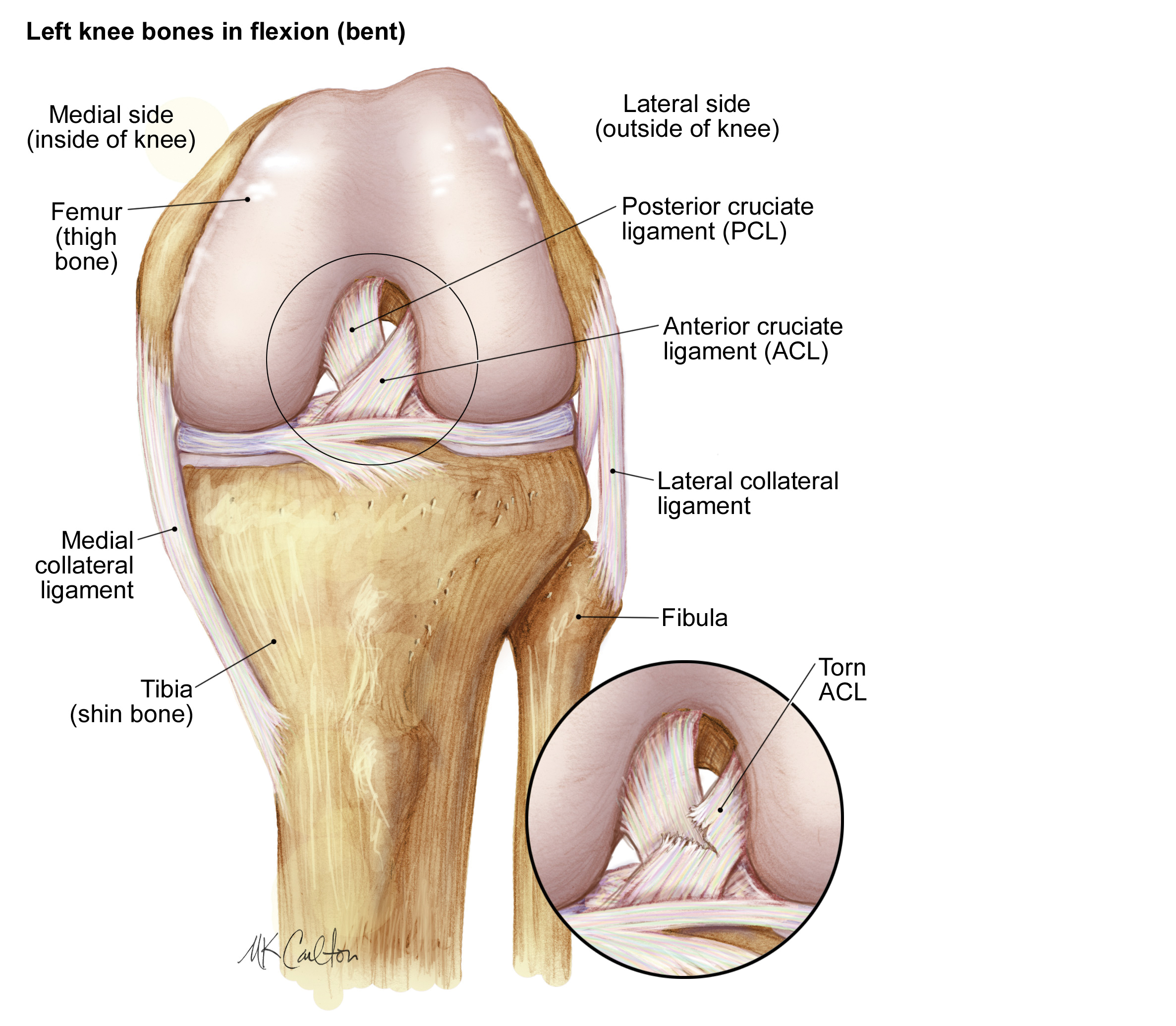
The knee is a complex joint made up of four bones (femur, tibia, knee cap/patella, fibula) surrounded by muscle groups that move the knee (quadriceps, hamstrings, adductors, calf & shin muscles), ligaments that stabilise the knee (ACL, PCL, LCL, MCL), and is padded by soft tissue in between the bones that provides cushioning to absorb forces (lateral and medial meniscus).
The ACL
The anterior cruciate ligament (ACL) connects the femur to the tibia and prevents the femur from sliding too far forward and excessively rotating during knee movement. Tears of this ligament often occur in athletes who play sports with a lot of pivoting (rugby, netball, soccer, gymnastics, skiing). ACL tears often occur when there is a sudden change in direction during sport while the foot is planted, rapid deceleration moments, landing from a jump, pivoting, twisting, and direct impact from the front of the knee. Sometimes there is an audible pop when an ACL has been torn and can be painful depending on how severe the tear is.
Grades of injury
An ACL injury is classified as a grade 1, 2, or 3 sprain. Grade 1 sprains are mild, with a little tenderness and swelling, but the knee does not feel unstable or like it’s going to give way. The ligament is stretched but there is no tear. This is the least painful of the 3 grades. Grade 2 sprains are moderate, and the joint will feel unstable with a little tenderness, swelling, and some loss of function. The femur will slide forward upon testing. Grade 3 sprains are severe and the ACL is completely torn. The joint will feel very unstable and will give out at times.
Recovery Time
Your ACL injury healing timeline will depend on a range of factors. If the tear is major and there is a surgical intervention, recovery time to return to sport can range from 6 months to 2 years depending on the demands of the sport on the body. If the tear is smaller, and there isn’t surgical intervention and the pathway of conservative management is taken, then recovery time is typically at least 8-10 weeks with daily physiotherapy. Sometimes conservative management isn’t successful and buckling of the knee may persist, in which case a surgeon may recommend going the surgical pathway.
When to seek help (immediately – the sooner the better)
The exact ACL physio exercises vary on a case-by-case basis so it’s advisable to see a knee physiotherapist for a proper assessment. For those who have experienced an ACL injury in the past, there is the likelihood that it can happen again so be aware of how your knees feel and take care with the activities you undertake. Consult with professionals on how to minimise any stress placed on your knees such as the right way to land from a jump. Better still seek advice from a physiotherapist on how to prevent these injuries before they happen.
•The author is a physiotherapist and can be contacted on telephone 28303 at Alec’s Health Specialist Centre should you need more information.




