



 Login
Login
 Subscribe
Tell history through Pacific lenses, history conference opens

 By Andrina Elvira Burkhart
•
02 December 2025, 8:30PM
By Andrina Elvira Burkhart
•
02 December 2025, 8:30PM
Reframing history through Pacific lenses remains a challenge, as a renewed focus on Pacific perspectives in history was called for at the opening of the 26th Pacific History Association (PHA) Conference at the National University of Samoa (NUS) on Tuesday.
More than 200 participants, comprising historians, artists, curators, teachers, students, community leaders and policymakers are at the conference.
The Minister of Education, Aiono Dr Alec Ekeroma, in his keynote address, said for too long Pacific stories were written from outside, judged by external ideas of progress and modernity
“History education is especially vital for our youth. If curricula present the Pacific only through the lens of other people’s empires and wars, our students will struggle to see themselves as agents of change," he said.
"When we centre our languages, memories and concepts, we enrich global knowledge and remind the world that Oceania has its own theories of land, leadership, kinship, faith and justice.”
Aiono said Samoa was part of a region already living with climate impacts and that elders remembered storms and droughts and how communities relied on traditional knowledge.
"History also works in conversation with science. Records of cyclones, droughts, epidemics and coastlines, together with stories of healers, clinics and modern technologies, help shape new tools that reflect Pacific priorities. Collaboration between historians, scientists, health workers and engineers strengthens our regional responses," he said.
"For those of us in government, history is not optional. Policies that ignore culture might look tidy on paper, but they rarely last. They often repeat old mistakes because they do not understand how institutions evolved or why past reforms failed. Policies grounded in local stories and values connect with people and endure.
"At the same time, we must face the sources of adversity: environmental damage, inequality, gender-based violence, political instability, climate change and the loss of knowledge. These challenges are rooted in historical decisions about land, power and voice. Pacific political and gender histories help us see whose labour sustained communities, whose voices were silenced and how power shifted across time. These insights are essential for debates about constitutions, elections, land rights and gender equality."
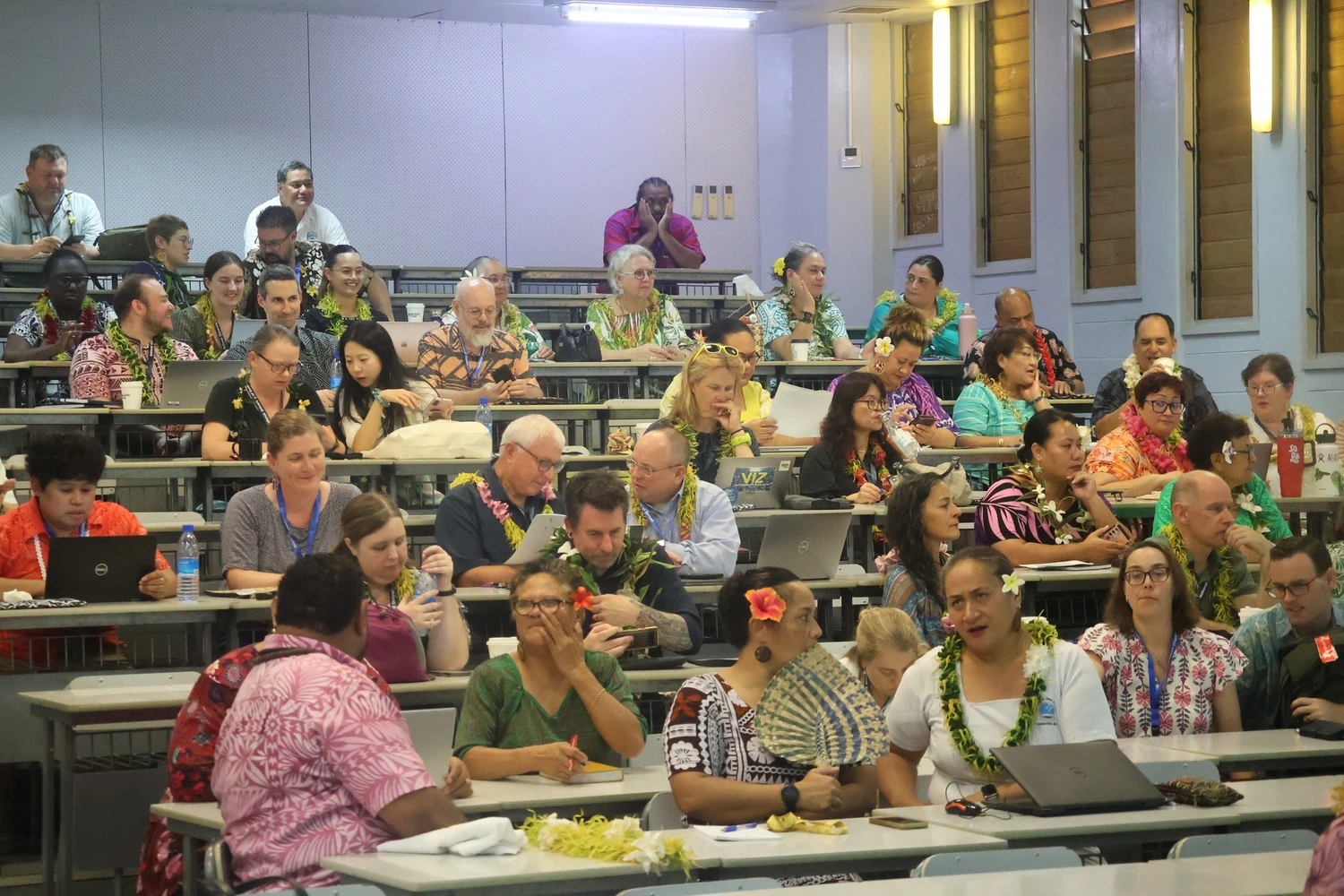
The conference opened with a traditional ‘ava ceremony, following a devotion led by Reverend Dr Latu Latai of the EFKS Apia. A special Anofale history storytelling performance, led by reigning Miss Samoa 2025 Feagaimaali’i Soti Mapu, added cultural significance to the event.
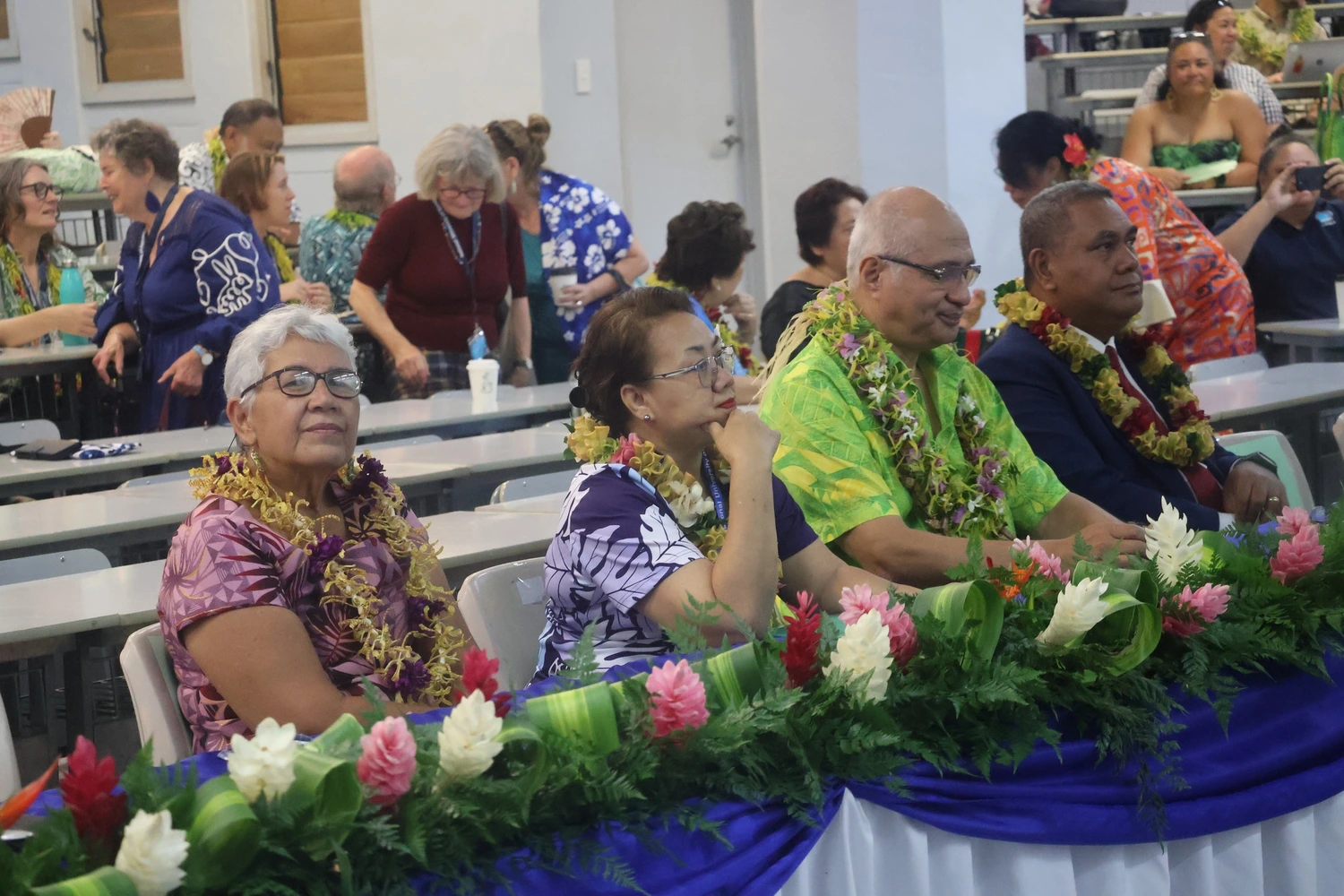
NUS Vice-Chancellor, Professor Tuifuisa’a Patila Amosa, delivered the welcome address and reflected on the conference theme, Le Solosoloū: Resilience in the Face of Adversity.
She highlighted that the conference brings together a diverse range of topics, including oral traditions and memory, colonial encounters, political history, maritime worlds, gender and intergenerational resilience, education, economic futures, climate change, archives, art, and performance.
She encouraged students and emerging researchers to embrace the rare opportunity to witness Pacific history being practised at scale and depth.
Associate Professor Tuala Louise Milo, Chair of the NUS PHA Committee, underscored the importance of reviving old words like Le Solosoloū and the histories they carry.
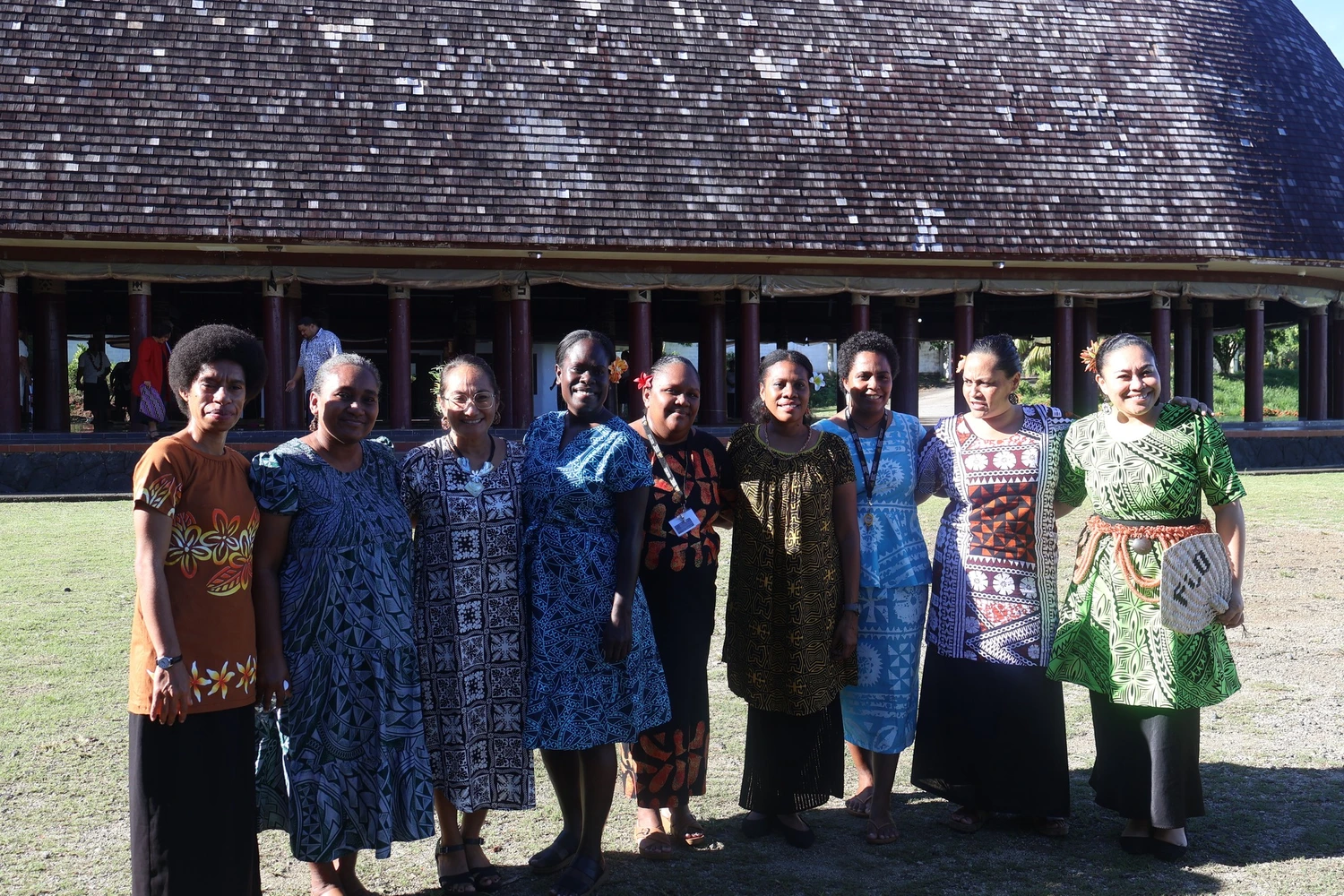
The PHA Conference concludes on 5 December.
By Andrina Elvira Burkhart
•
02 December 2025, 8:30PM




